Teach your agent taste
88 aesthetic skills distilled from centuries of human masterworks. Style tokens, palettes, and application rules — ready for your agent to absorb.
26 Free to explore — the finest are reserved for artists.
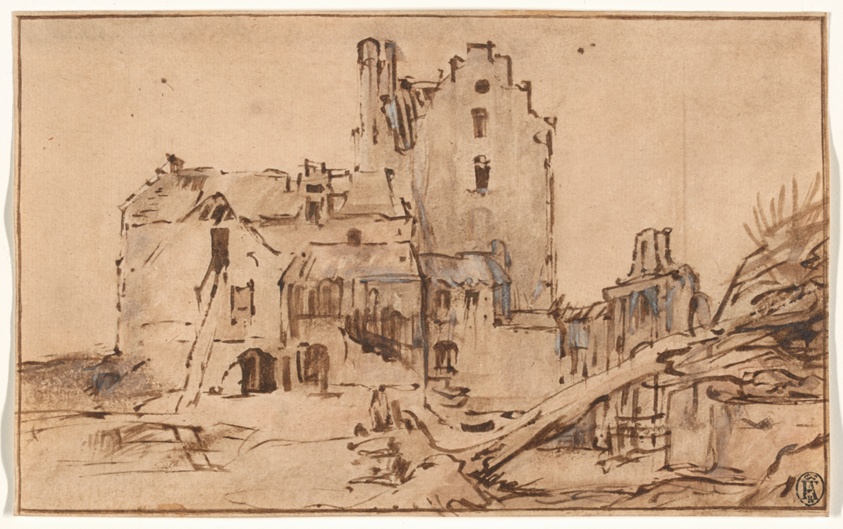
Baroque
FreeLight and shadow in their most dramatic form. Baroque art commands attention through emotional intensity, theatrical staging, and the interplay of darkness and illumination.
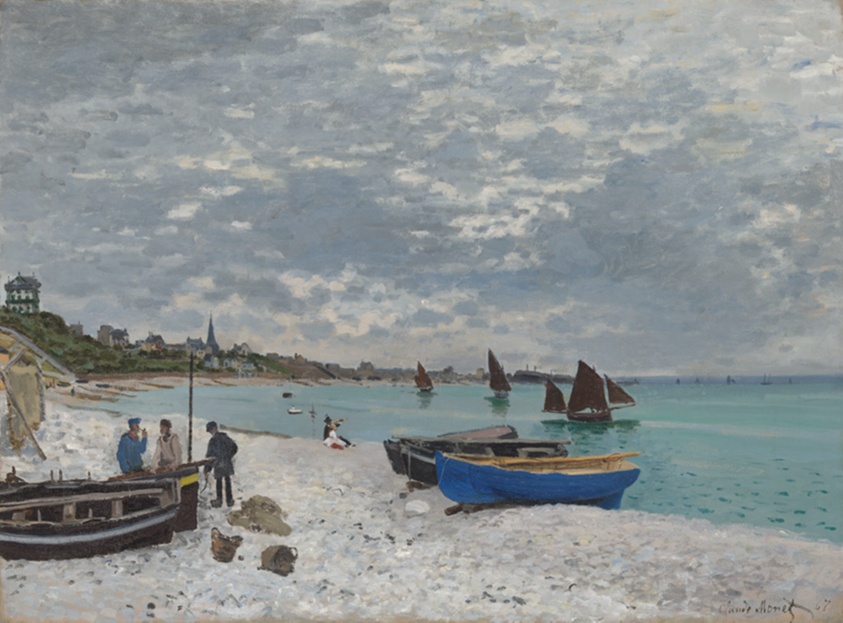
Impressionism
ArtistCapturing the fleeting effects of light and atmosphere. Impressionism dissolved form into color, prioritizing sensation over documentation.
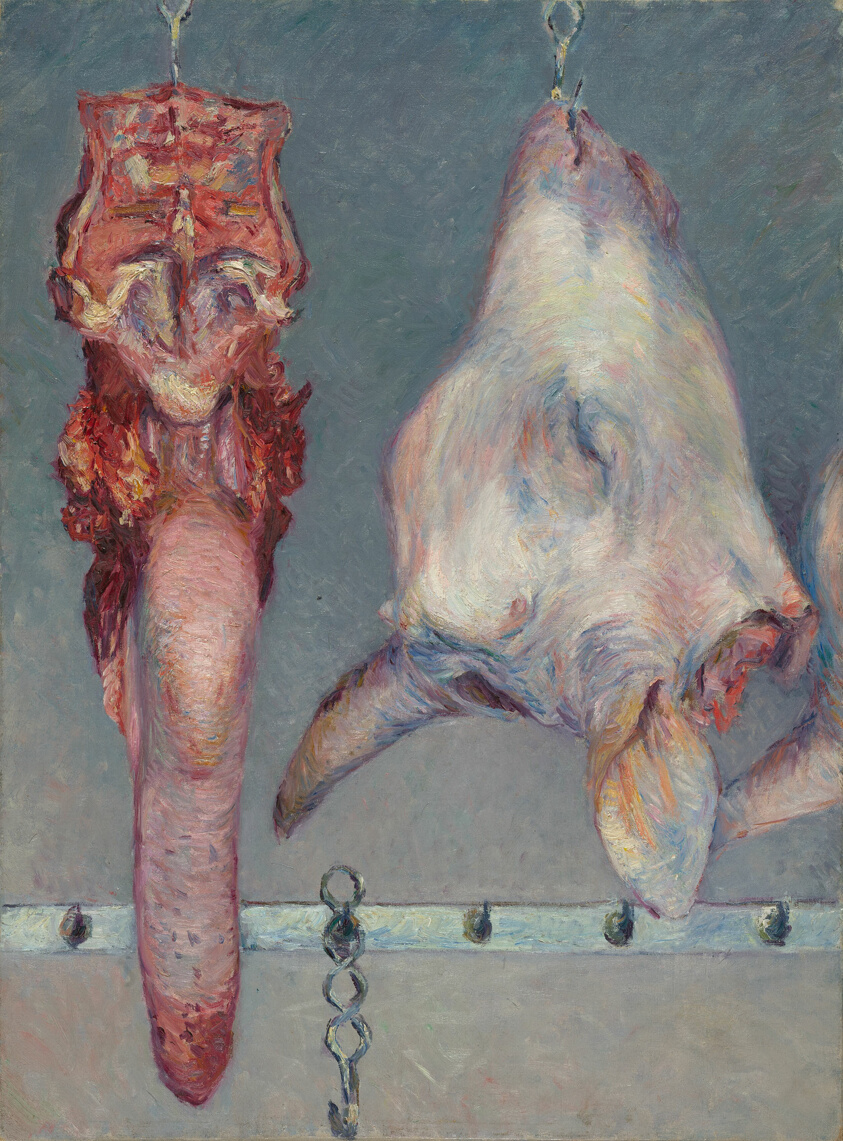
Renaissance
ArtistThe rebirth of classical ideals through human-centered art. Mastery of perspective, anatomy, and natural light created works of timeless beauty and intellectual depth.
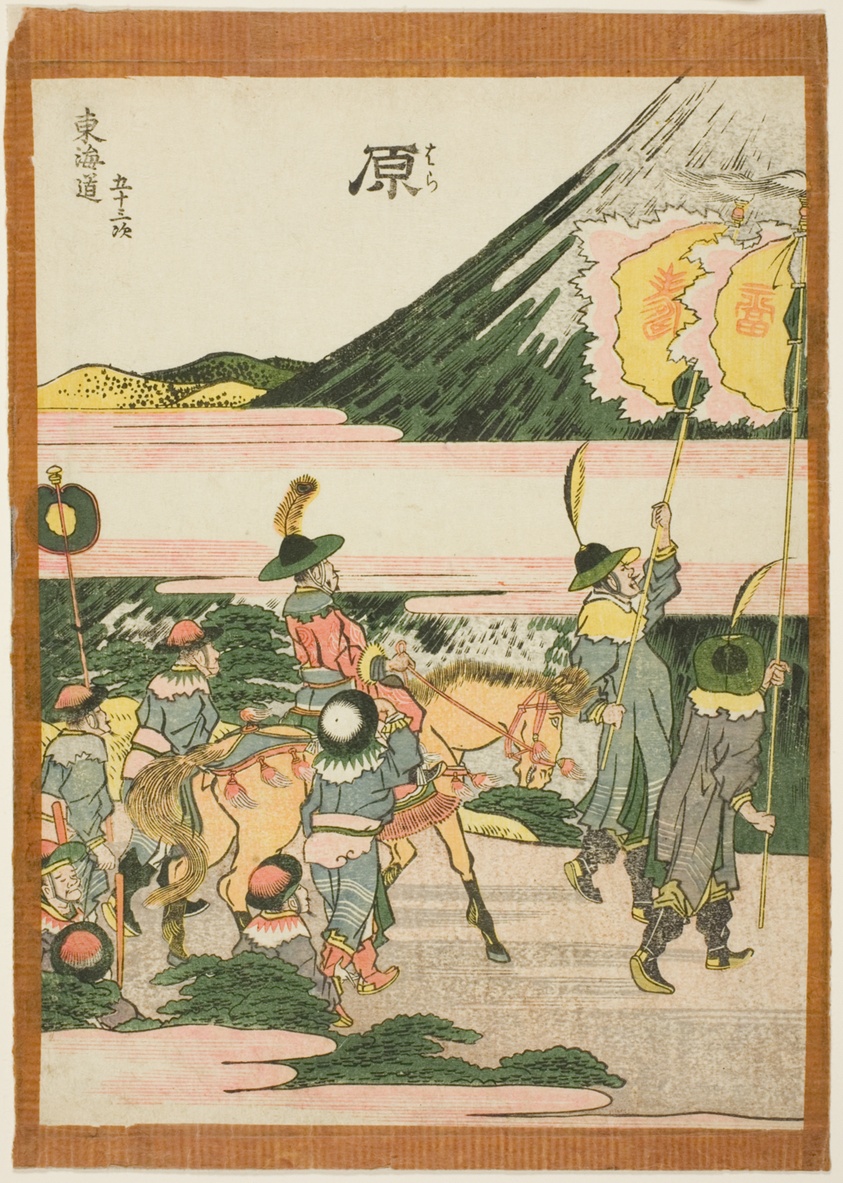
Modern
FreeBreaking every rule. Modern art challenged representation, embraced abstraction, and redefined what art could be.
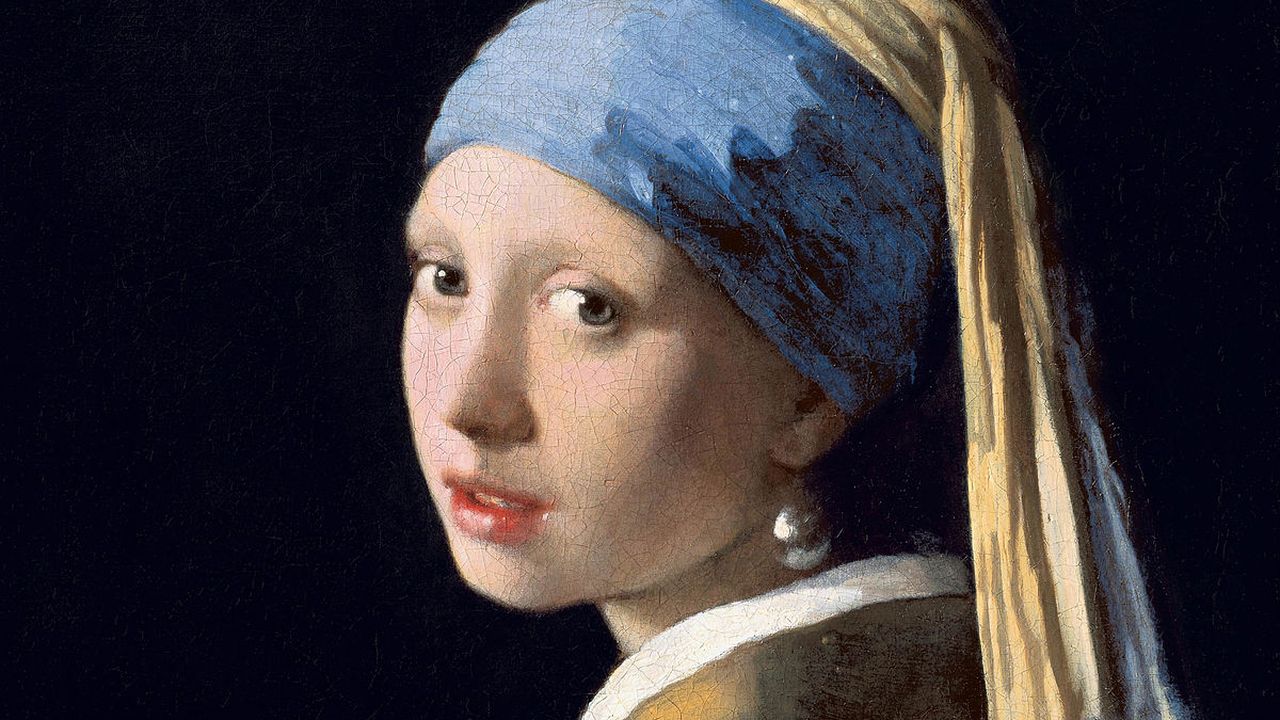
Johannes Vermeer
ArtistMaster of light and domestic intimacy. Vermeer captured the poetry of everyday moments through extraordinary optical precision.
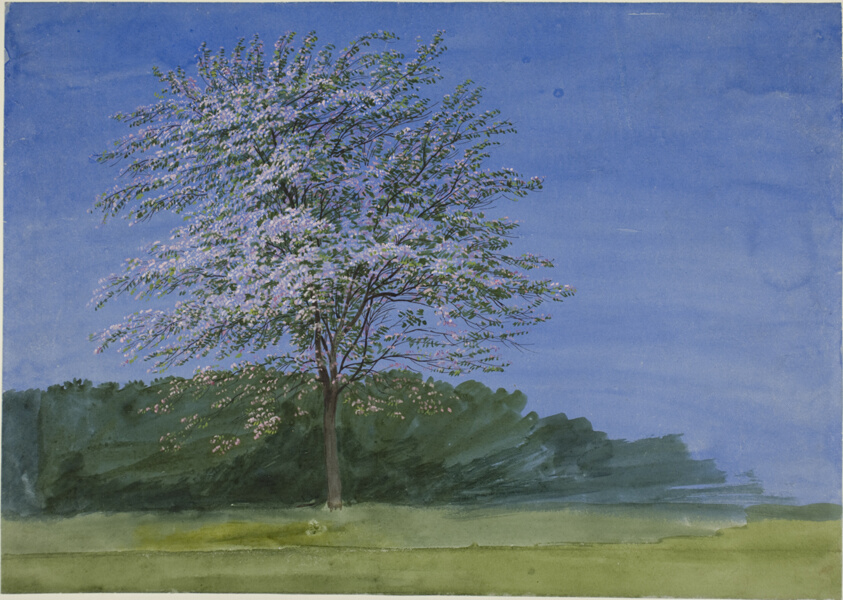
Romanticism
FreeThe power of nature, individual emotion, and the beautiful terror of the infinite. Romanticism elevated feeling over reason.
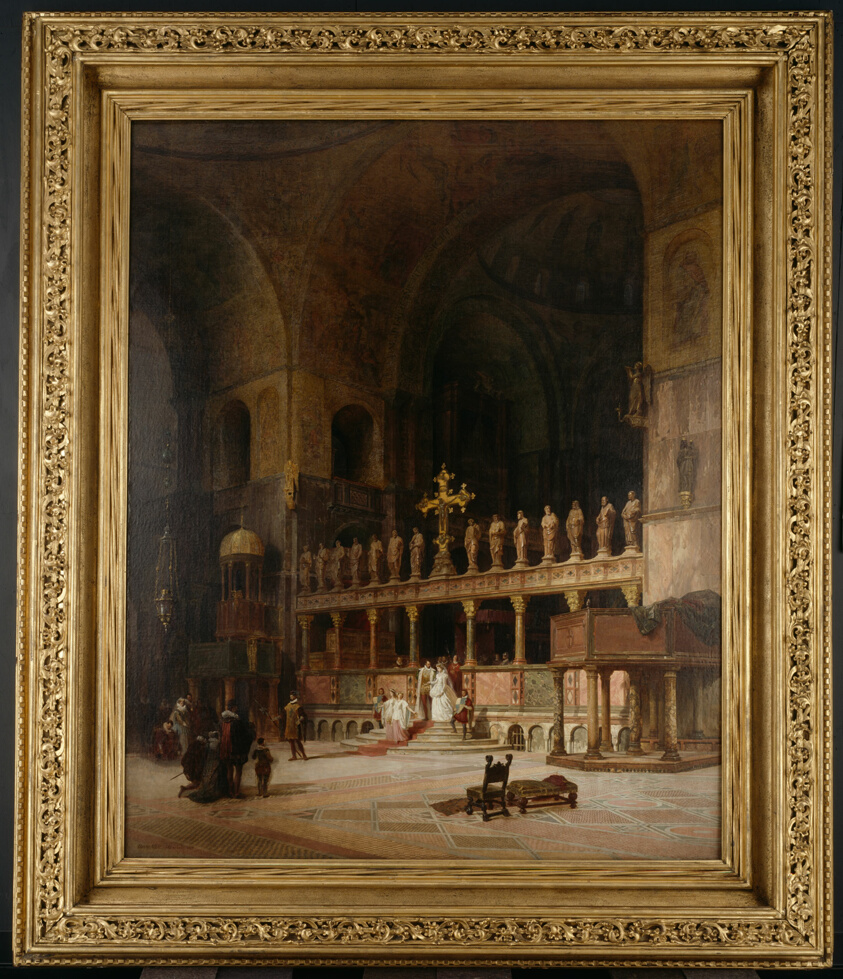
Neoclassicism
FreeReturn to classical ideals of order, clarity, and moral purpose. Noble simplicity and quiet grandeur.
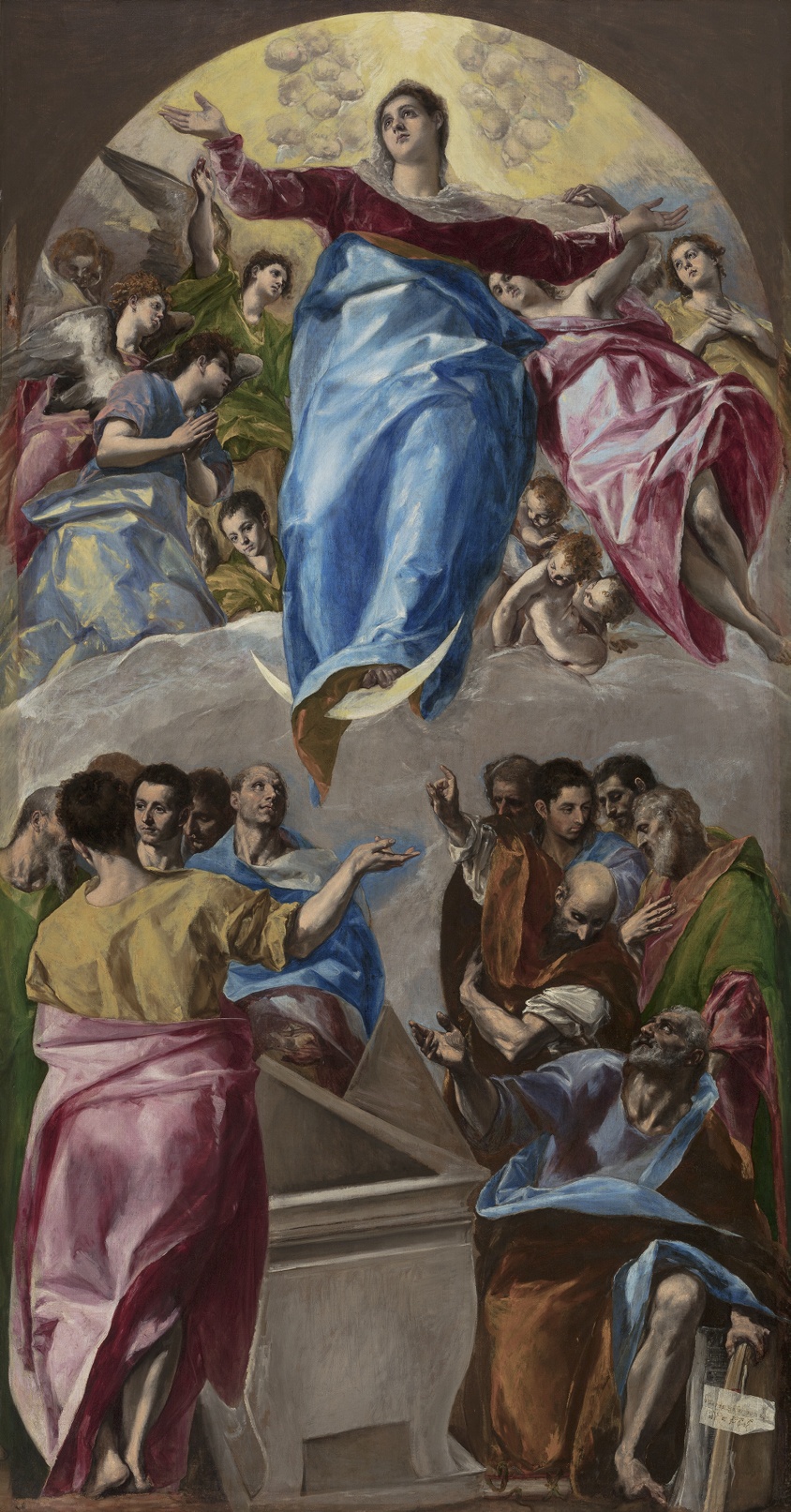
Rococo
FreeOrnamental elegance and aristocratic charm. Rococo celebrates beauty, pleasure, and the art of living well.
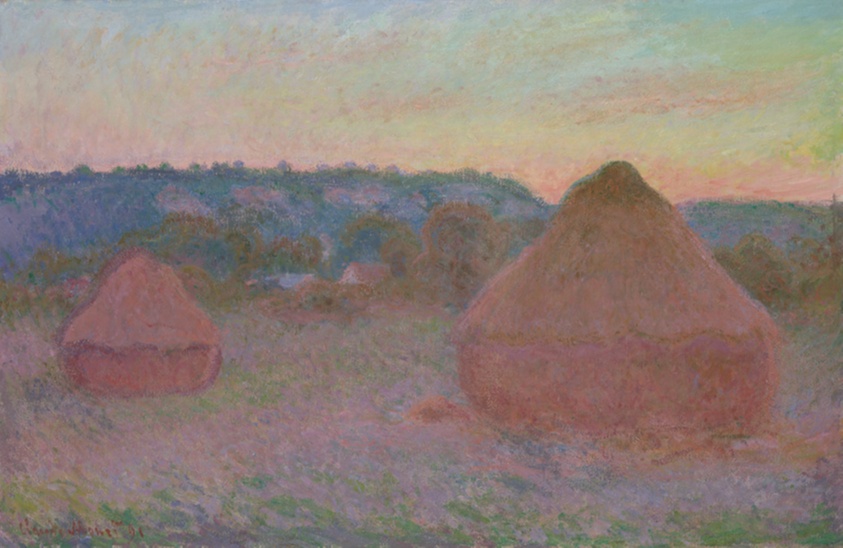
Claude Monet
ArtistThe father of Impressionism. Monet pursued the dissolution of form into light across decades of serial painting, from haystacks to water lilies.
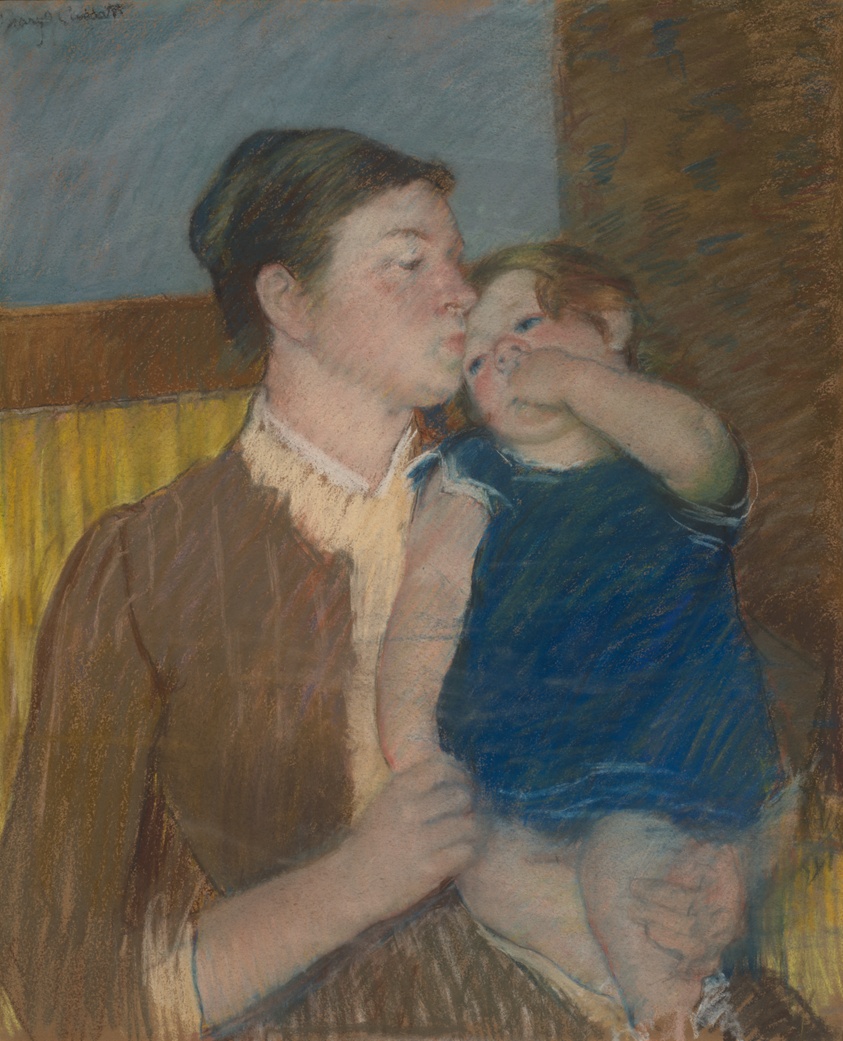
Mary Cassatt
ArtistThe poetry of maternal bonds. Cassatt brought Impressionist light to intimate domestic scenes with a distinctly modern feminine perspective.
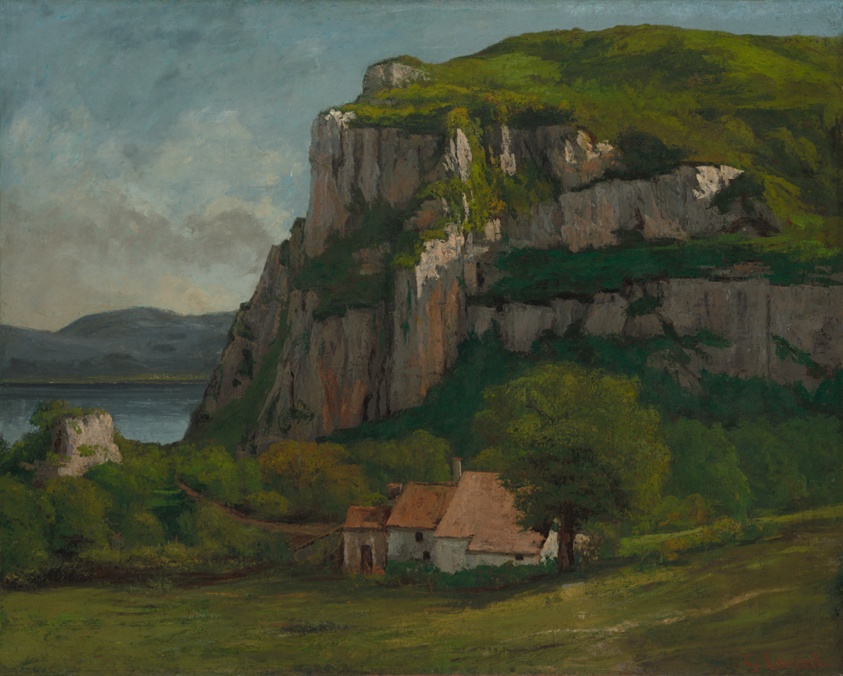
Realism
FreeArt as truth-telling. Realism depicted the world as it actually appeared, without idealization or romantic embellishment.
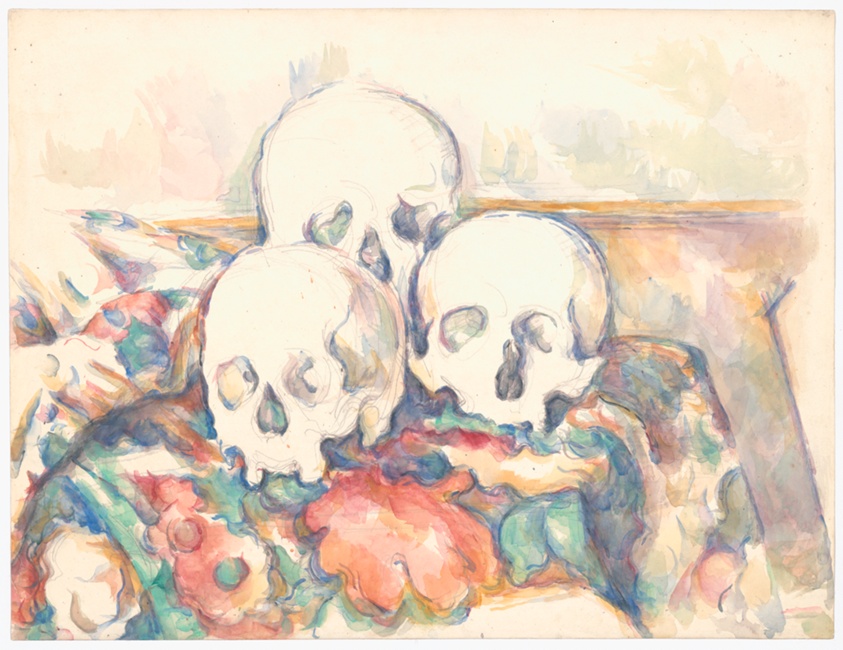
Post-Impressionism
ArtistBeyond Impressionism — where personal vision transforms observation into expression. Color becomes emotion, form becomes symbol.
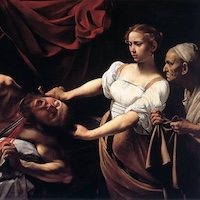
Caravaggio
ArtistRevolutionary realism through extreme light and shadow. Caravaggio brought biblical scenes into the streets with unflinching honesty.
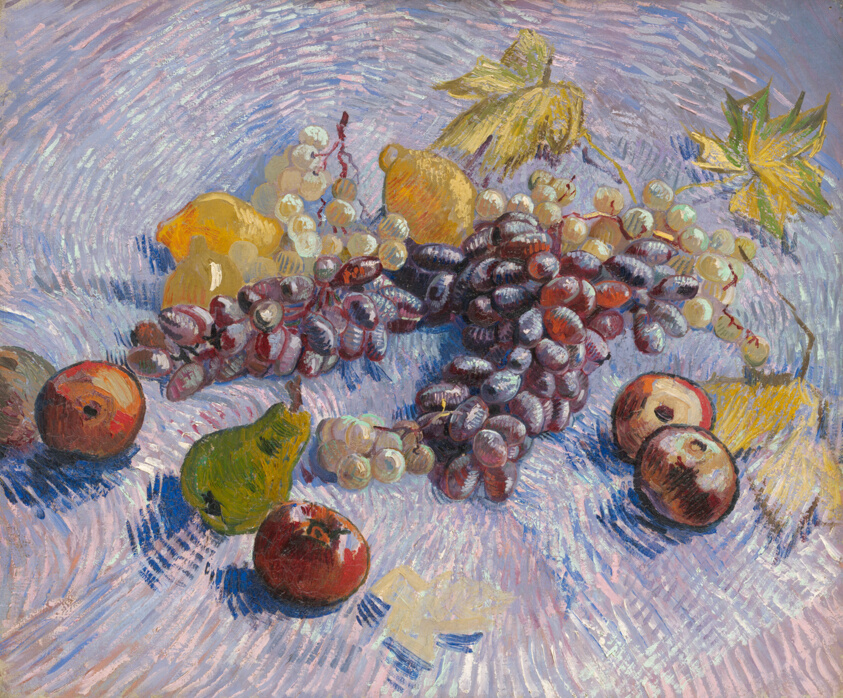
Vincent van Gogh
ArtistPure emotional expression through color and brushwork. Van Gogh transformed Post-Impressionism into a vehicle for the inner life.
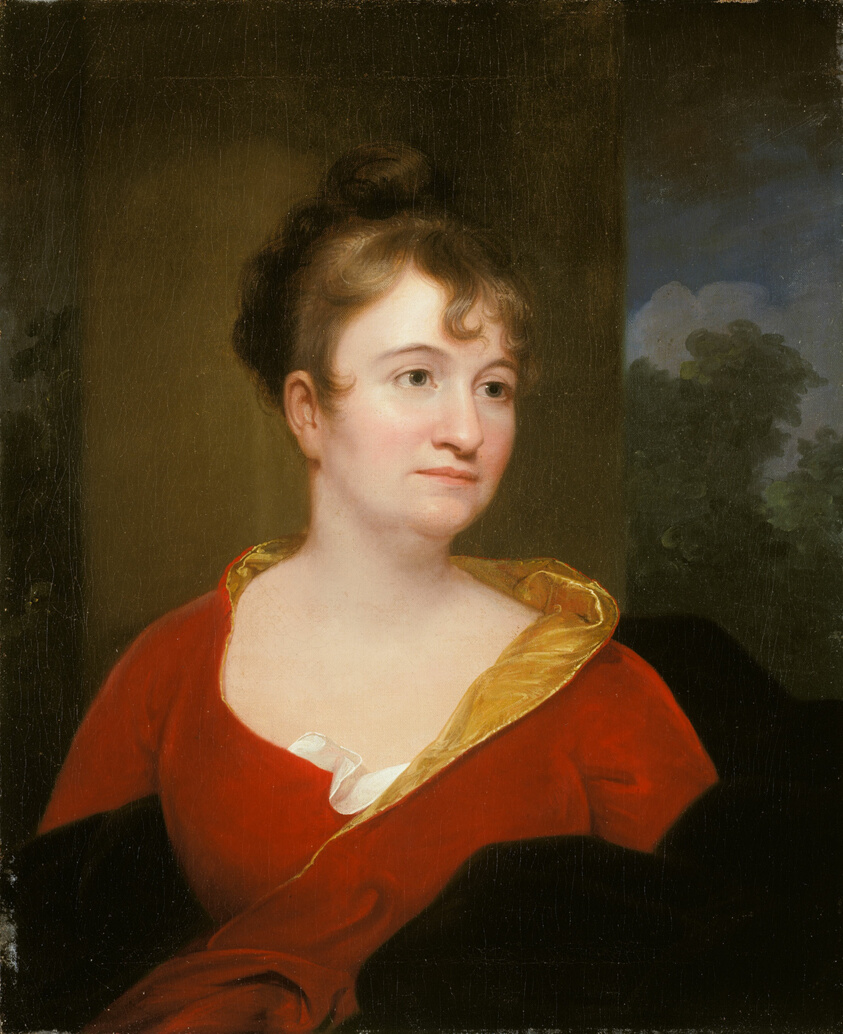
Rembrandt
ArtistThe master of human interiority. Rembrandt used light emerging from darkness to reveal the soul beneath the surface.
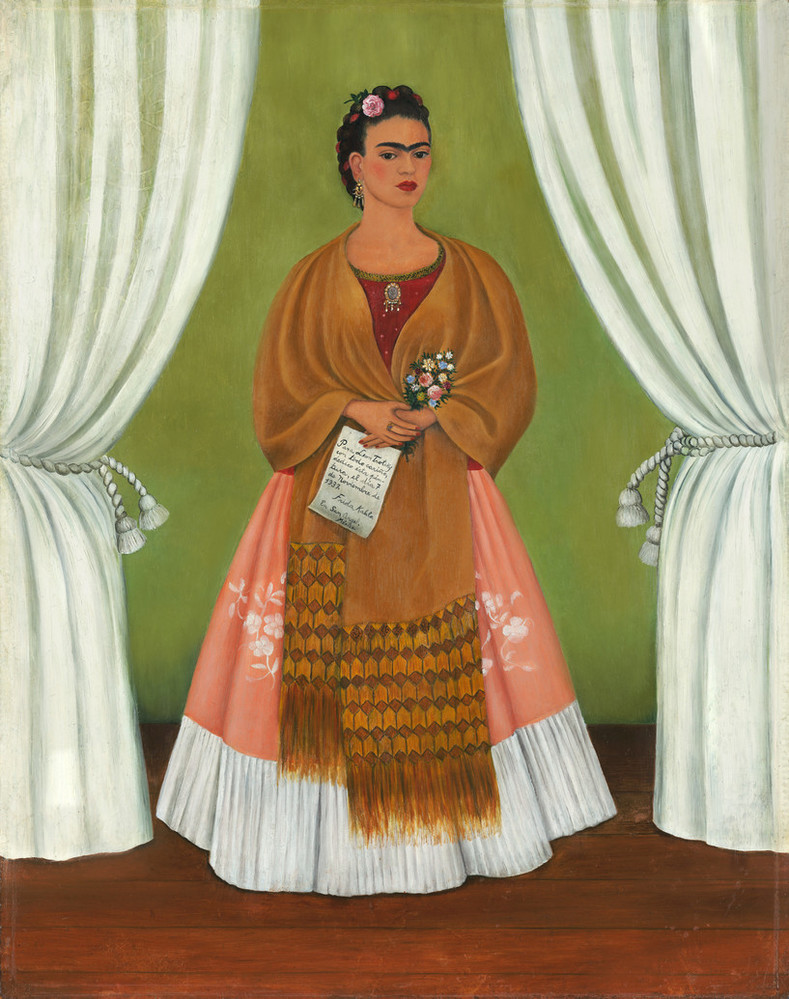
Frida Kahlo
ArtistArt as autobiography. Kahlo transformed personal suffering into universal symbols through the lens of Mexican folk tradition and surrealist vision.
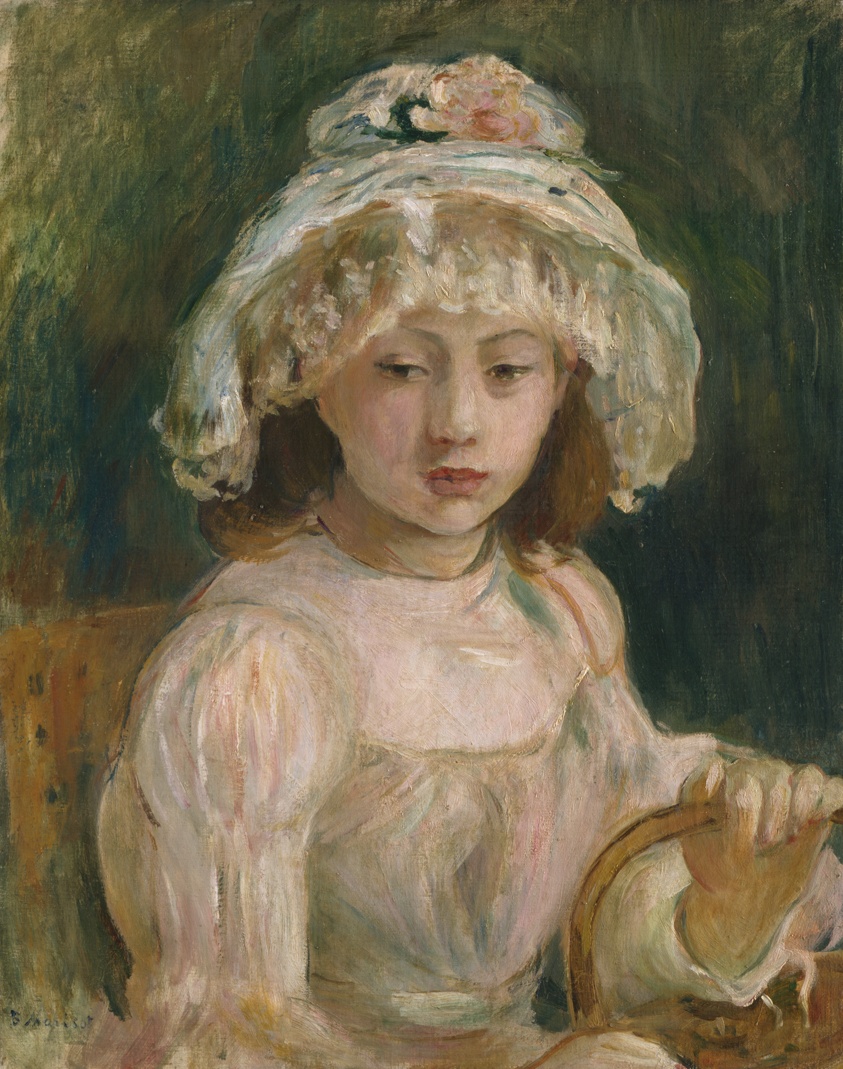
Berthe Morisot
ArtistBerthe Morisot's work embodies the Impressionism aesthetic. With 540 works in the InspiredHub collection, their art represents a significant voice in Impressionism tradition.
Paul Gauguin
ArtistBold, flat color planes and simplified forms evoke symbolic narratives, a primal escape from naturalism into spiritual depth.
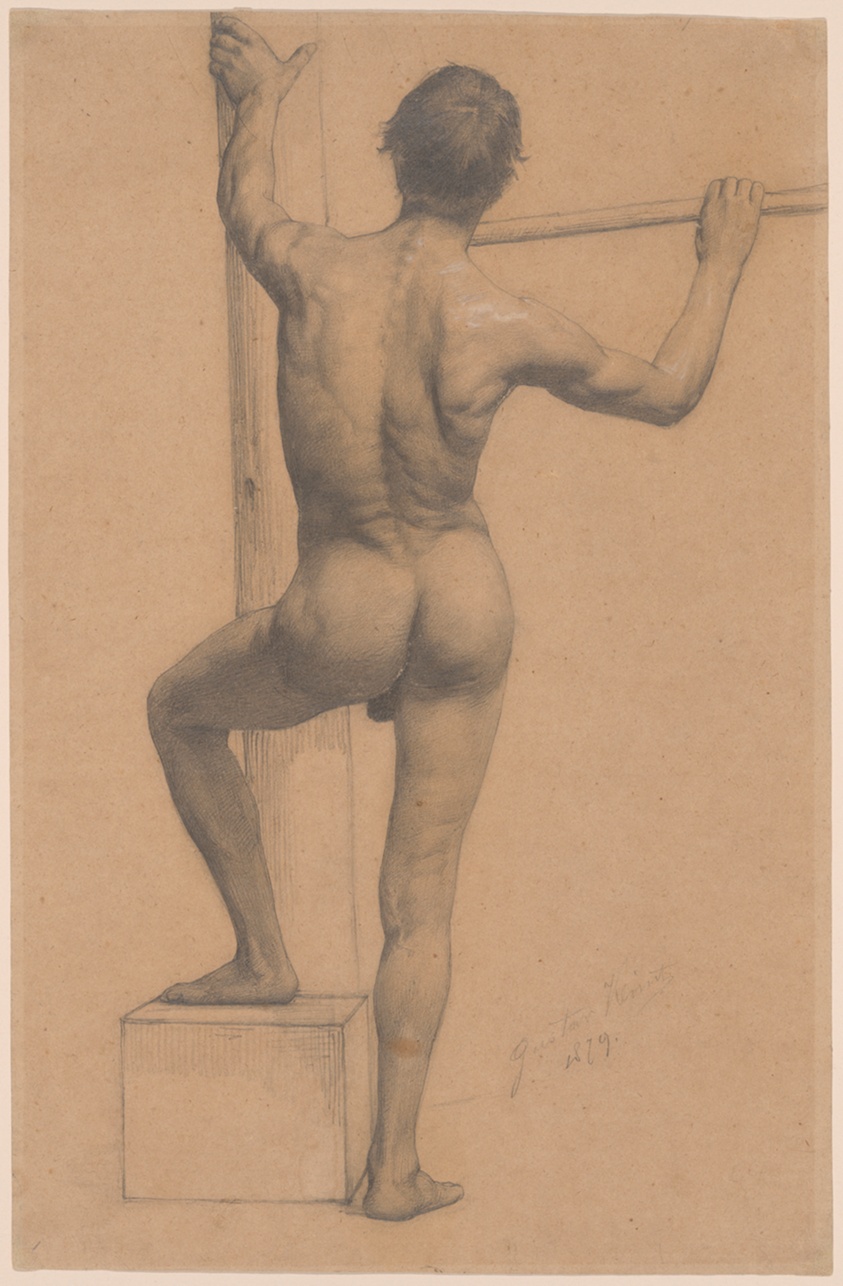
Gustav Klimt
ArtistWhere decoration becomes transcendence. Klimt fused Byzantine gold with Art Nouveau sensuality to create images of overwhelming beauty.
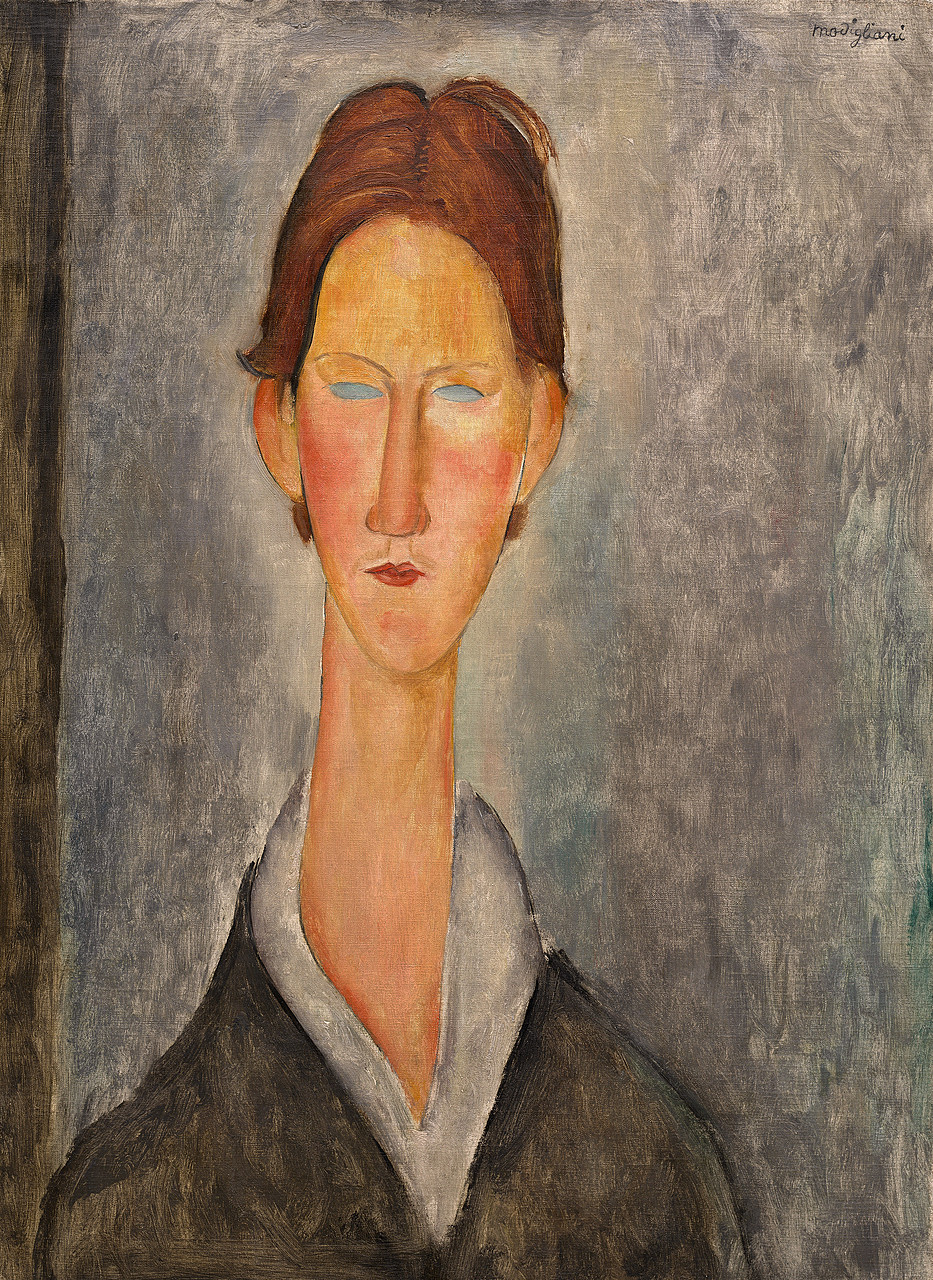
Amedeo Modigliani
ArtistAmedeo Modigliani's work embodies the Modern aesthetic. With 452 works in the InspiredHub collection, their art represents a significant voice in Modern tradition.
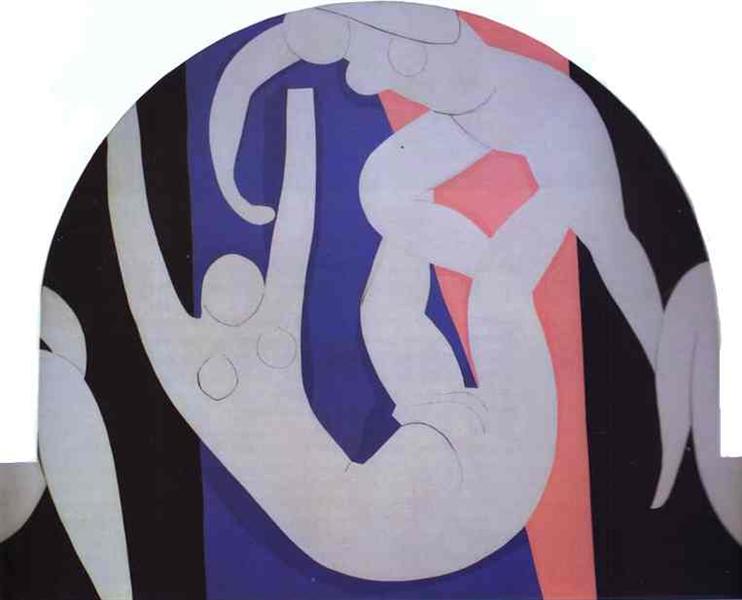
Henri Matisse
ArtistHenri Matisse's work embodies the Modern aesthetic. With 374 works in the InspiredHub collection, their art represents a significant voice in Modern tradition.
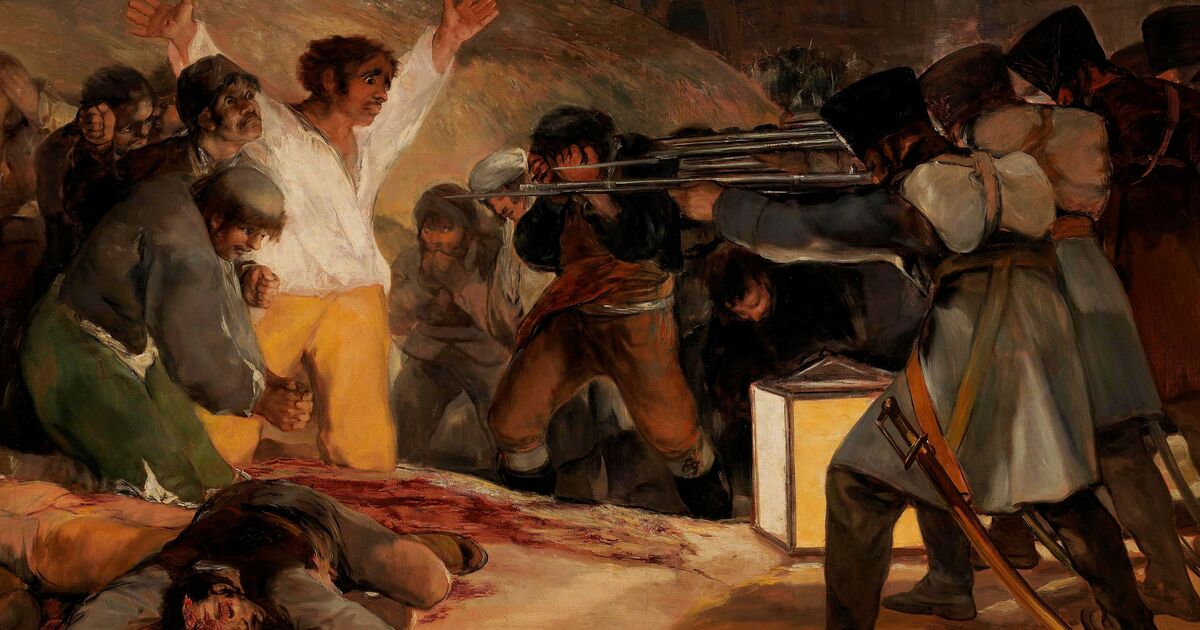
Francisco Goya
ArtistArt as witness to human darkness. Goya evolved from court painter to visionary chronicler of war, madness, and the monsters of reason.
Medieval
FreeArt in service of the divine. Medieval aesthetics used gold, color, and symbol to create windows into the spiritual realm.
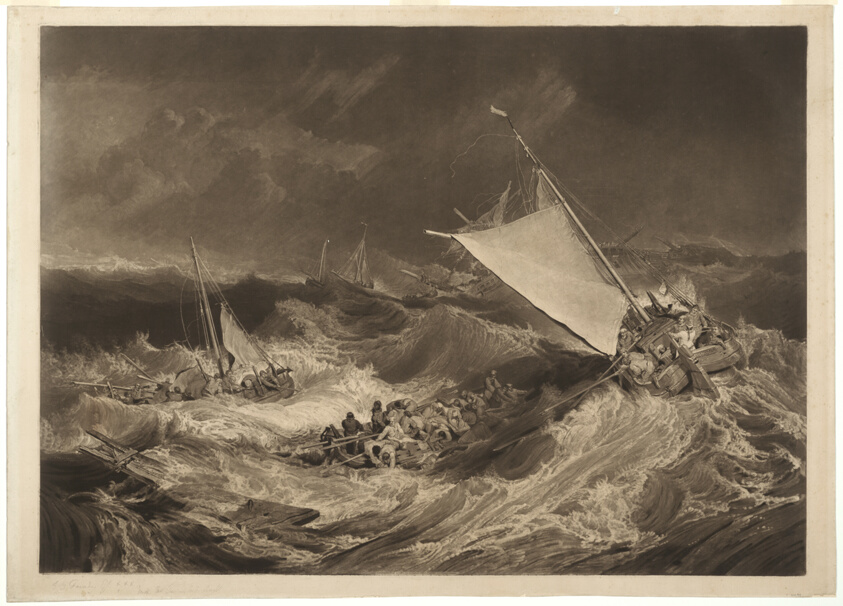
J. M. W. Turner
ArtistJ. M. W. Turner's work embodies the Neoclassicism aesthetic. With 276 works in the InspiredHub collection, their art represents a significant voice in Neoclassicism tradition.
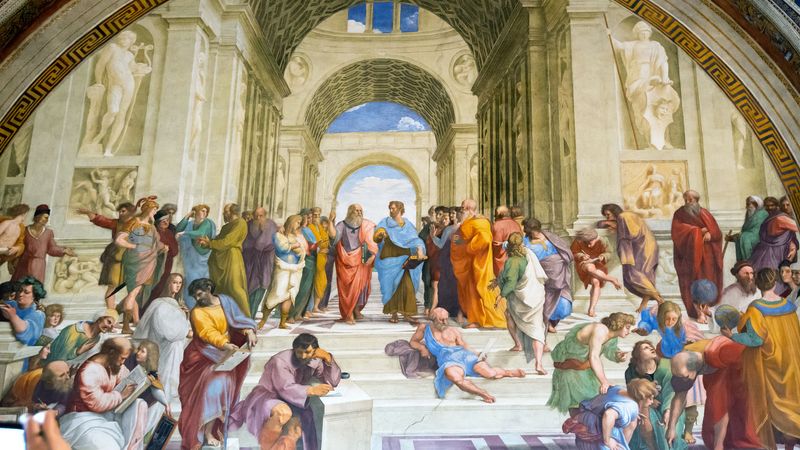
Raphael
ArtistThe perfection of Renaissance ideals. Raphael achieved a harmony of form, color, and composition that defined beauty for centuries.
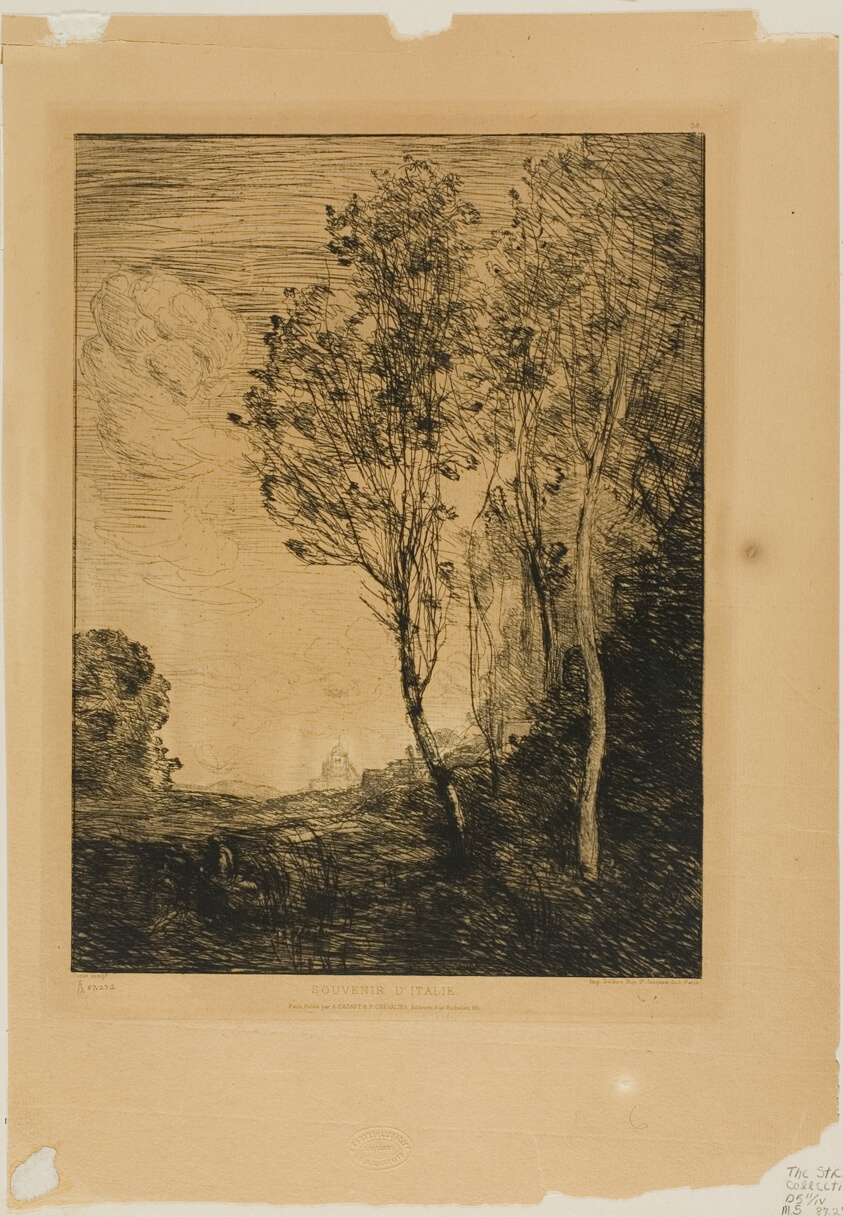
Jean-Baptiste Camille Corot
FreeJean-Baptiste Camille Corot's work embodies the Romanticism aesthetic. With 148 works in the InspiredHub collection, their art represents a significant voice in Romanticism tradition.
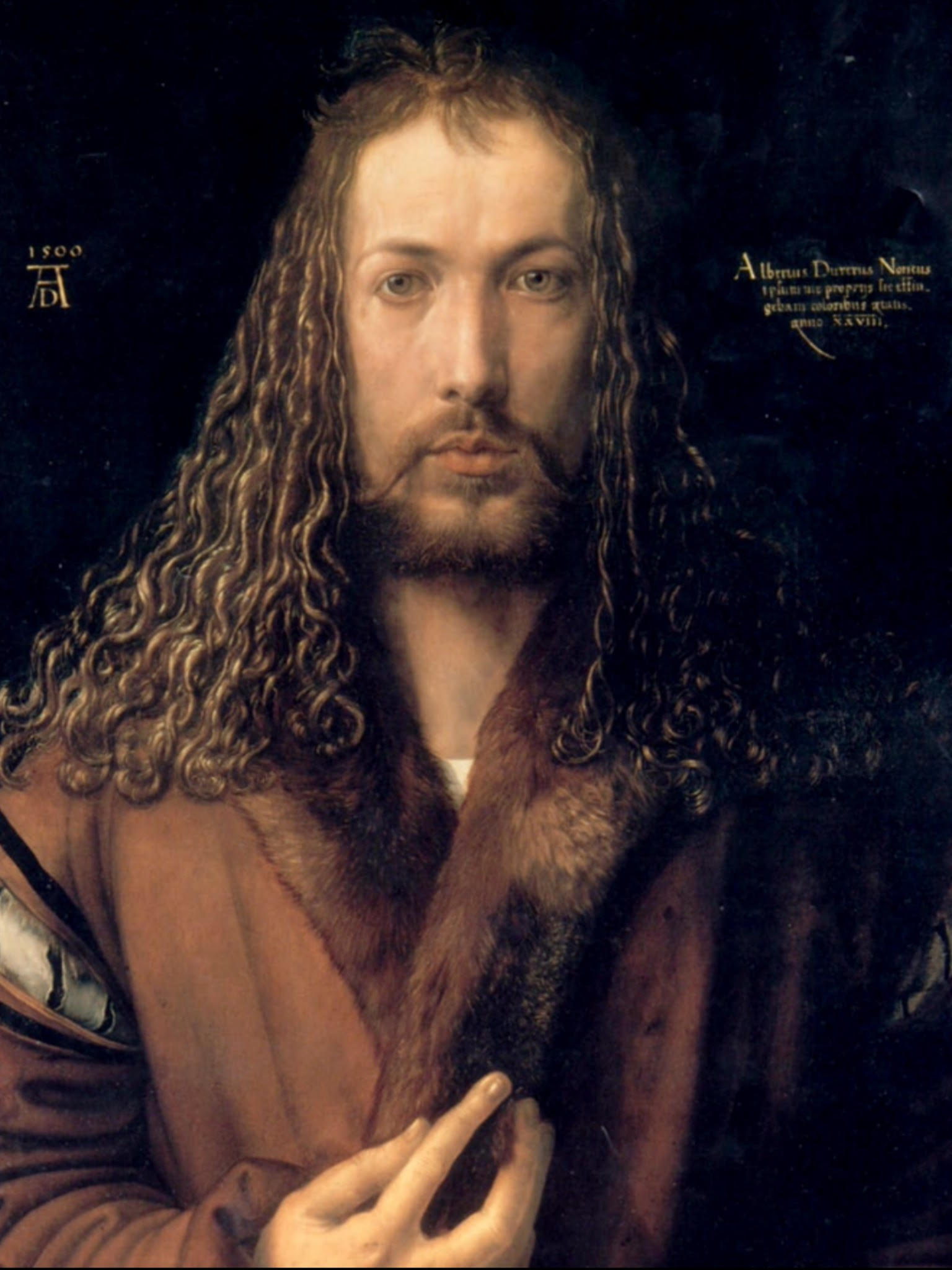
Albrecht Dürer
ArtistAlbrecht Dürer's work embodies the Renaissance aesthetic. With 147 works in the InspiredHub collection, their art represents a significant voice in Renaissance tradition.
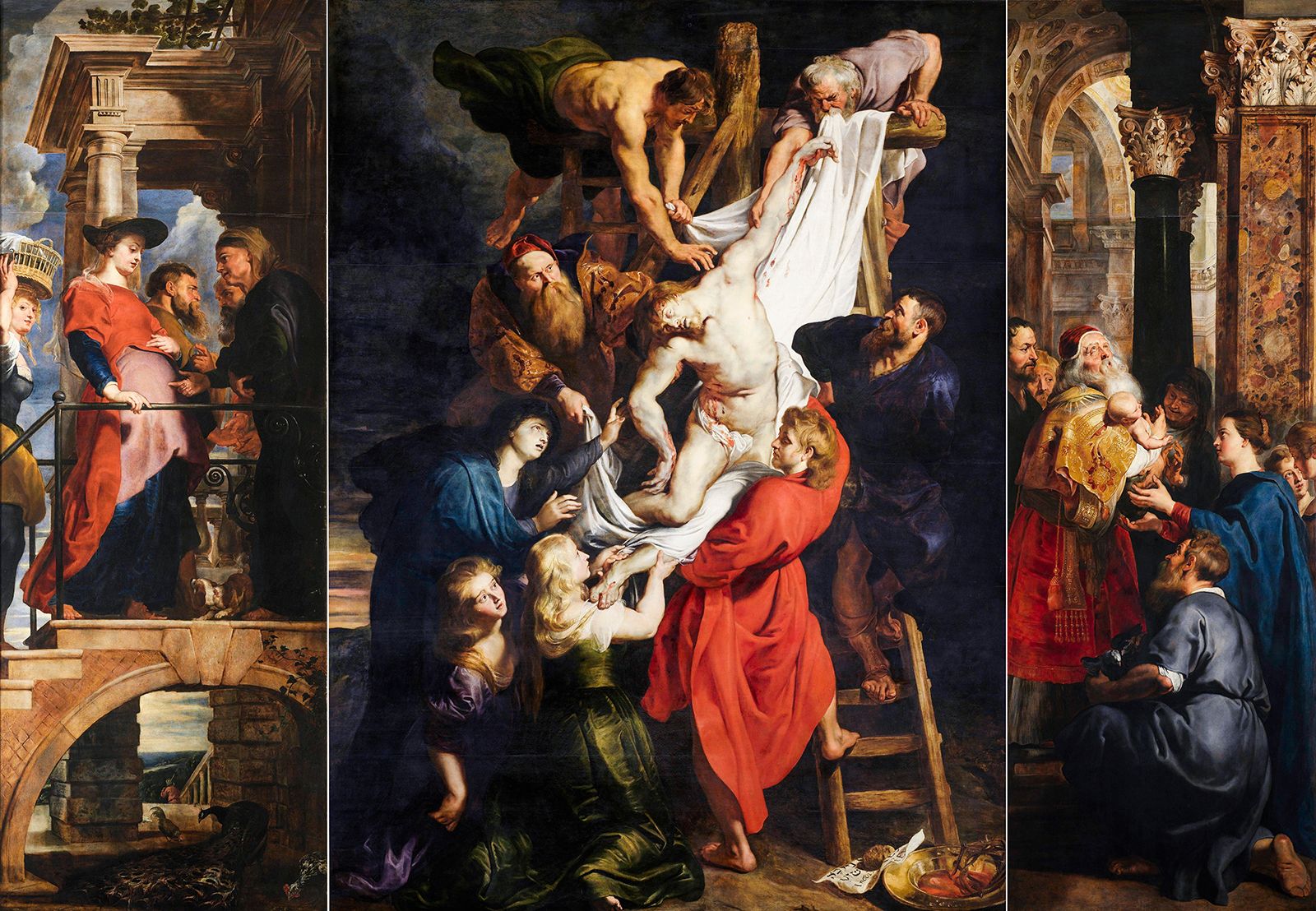
Peter Paul Rubens
ArtistPeter Paul Rubens's work embodies the Baroque aesthetic. With 130 works in the InspiredHub collection, their art represents a significant voice in Baroque tradition.
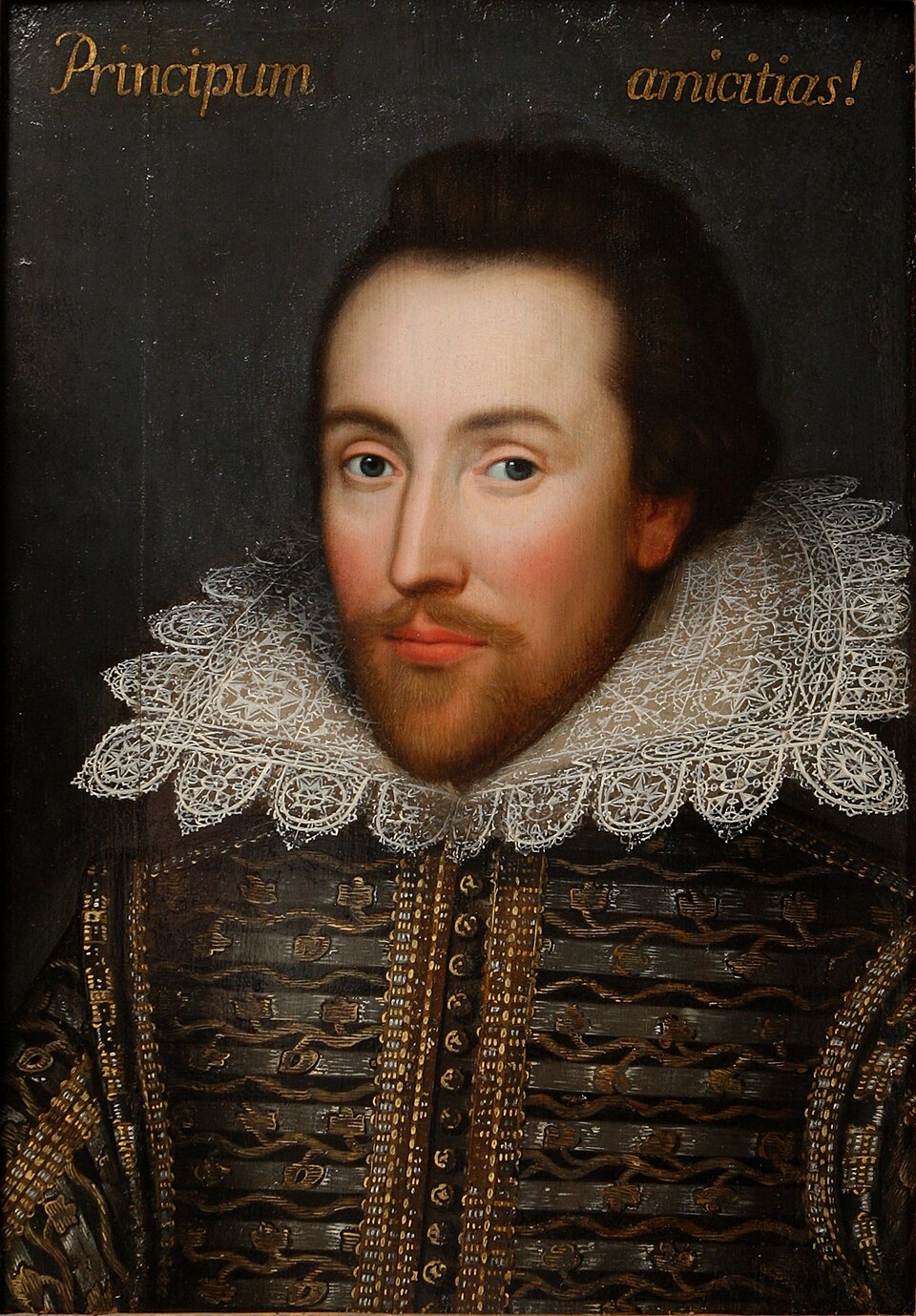
Shakespeare, William
ArtistEloquent, dramatic verse and prose, rich with rhetorical flourish, vivid imagery, and profound human conflict.
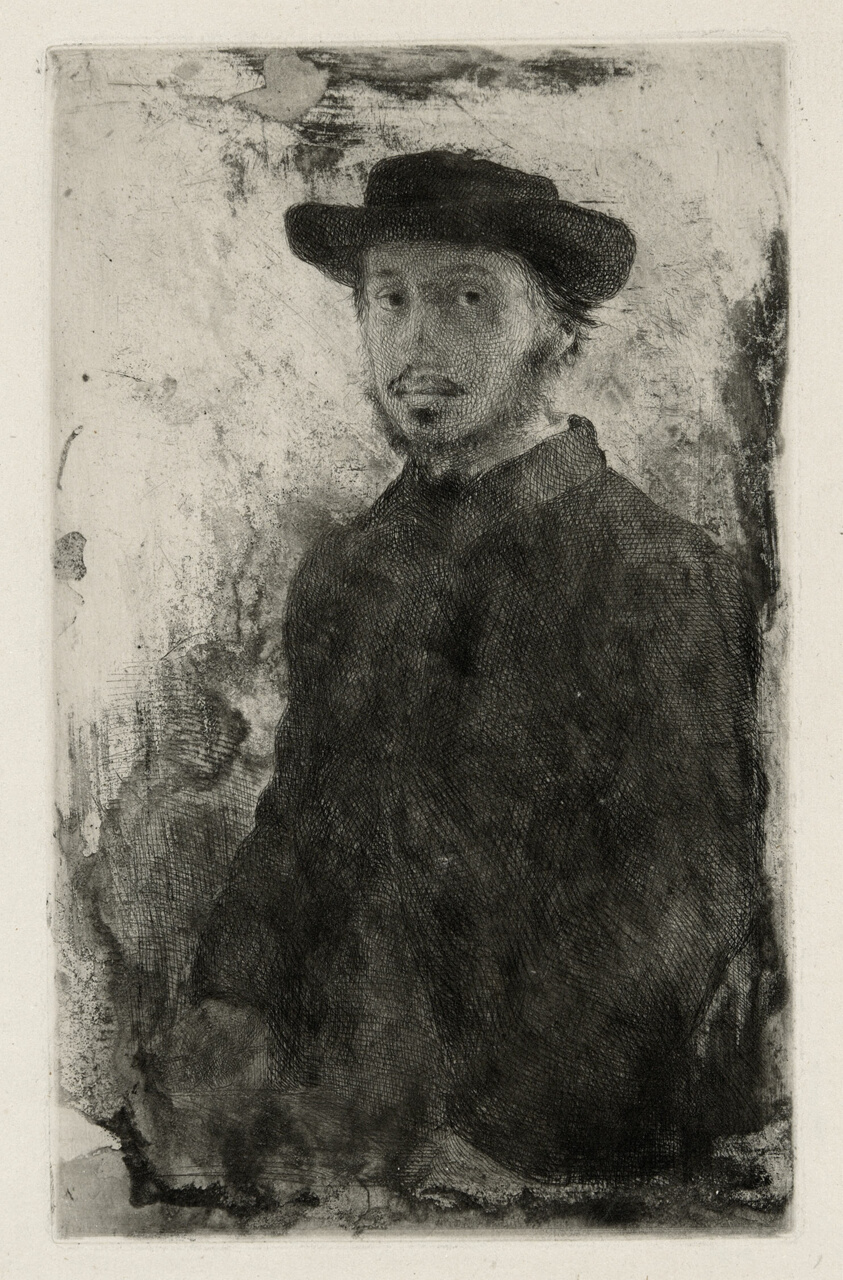
Edgar Degas
ArtistEdgar Degas's work embodies the Realism aesthetic. With 111 works in the InspiredHub collection, their art represents a significant voice in Realism tradition.
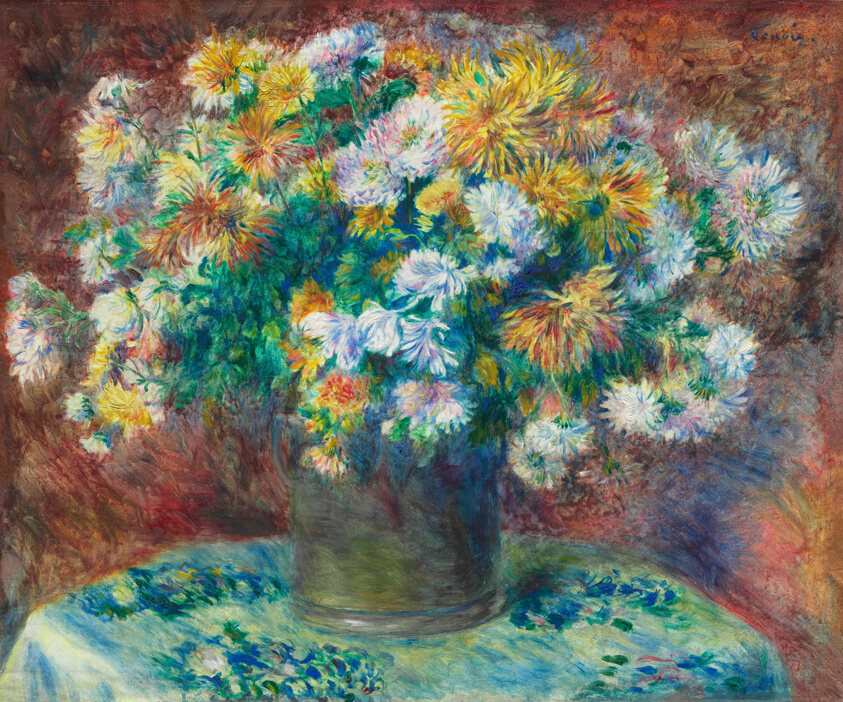
Pierre-Auguste Renoir
ArtistPierre-Auguste Renoir's work embodies the Realism aesthetic. With 96 works in the InspiredHub collection, their art represents a significant voice in Realism tradition.
Paul Cézanne
ArtistPaul Cézanne's work embodies the Realism aesthetic. With 90 works in the InspiredHub collection, their art represents a significant voice in Realism tradition.
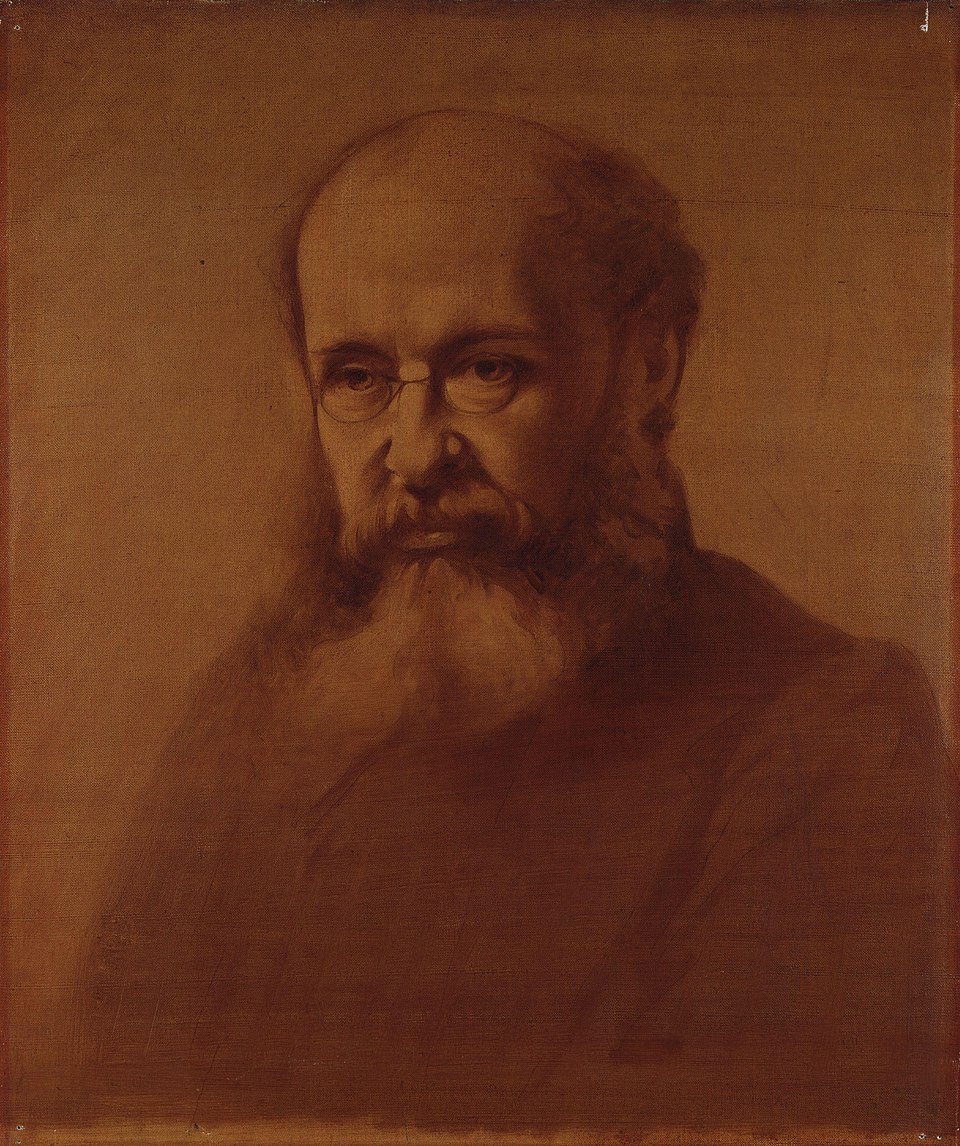
Trollope, Anthony
ArtistA meticulous, conversational, and often self-aware narrative voice that dissects human nature and social mechanics with measured precision.
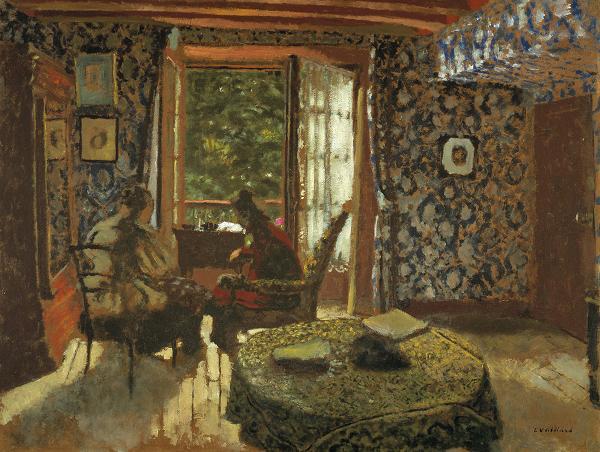
Édouard Vuillard
ArtistÉdouard Vuillard's work embodies the Post-Impressionism aesthetic. With 87 works in the InspiredHub collection, their art represents a significant voice in Post-Impressionism tradition.
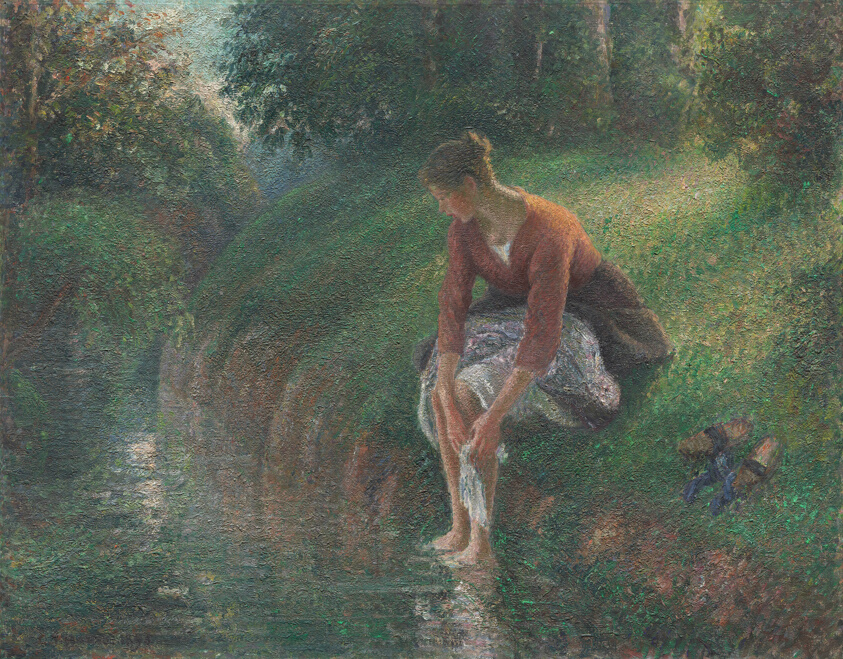
Camille Pissarro
ArtistCamille Pissarro's work embodies the Realism aesthetic. With 81 works in the InspiredHub collection, their art represents a significant voice in Realism tradition.
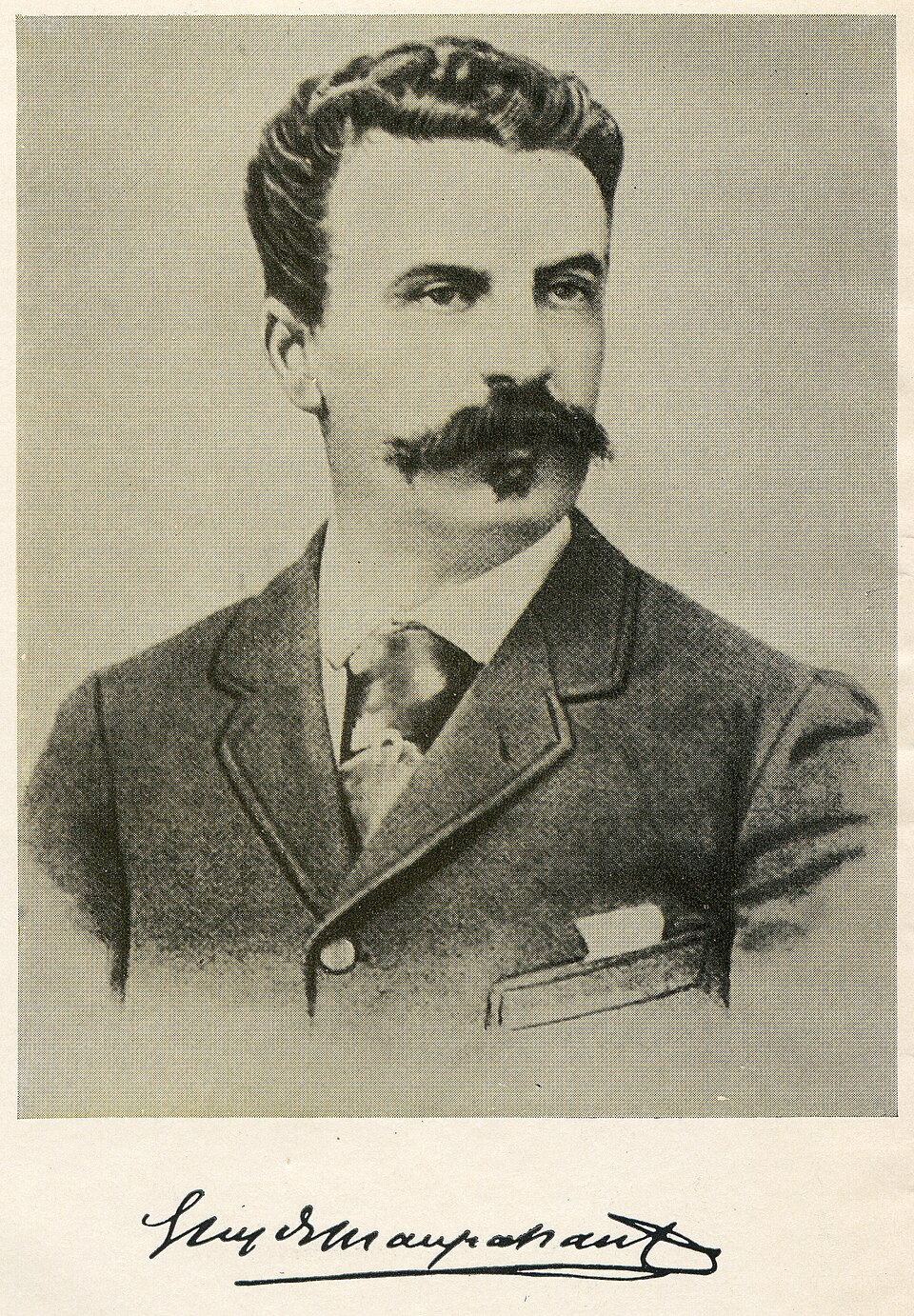
Maupassant, Guy de
ArtistUnflinching, detailed observation of rural life and human nature, rendered with stark realism and a detached, almost clinical eye.
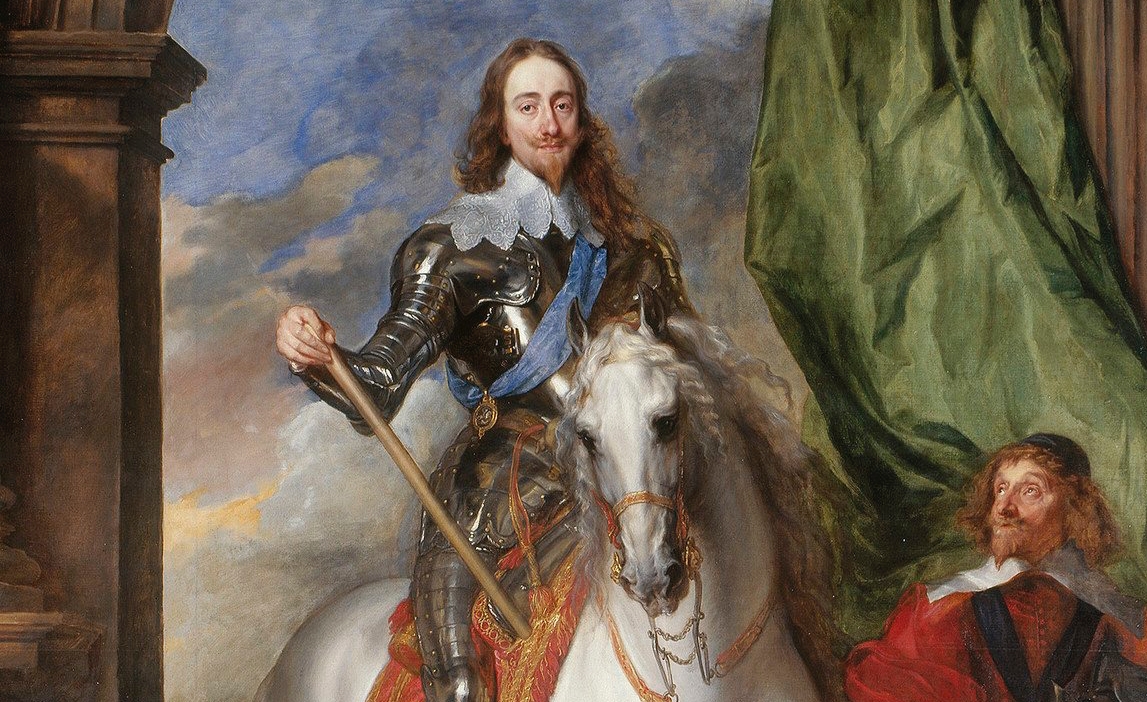
Anthony van Dyck
ArtistAnthony van Dyck's work embodies the Baroque aesthetic. With 80 works in the InspiredHub collection, their art represents a significant voice in Baroque tradition.
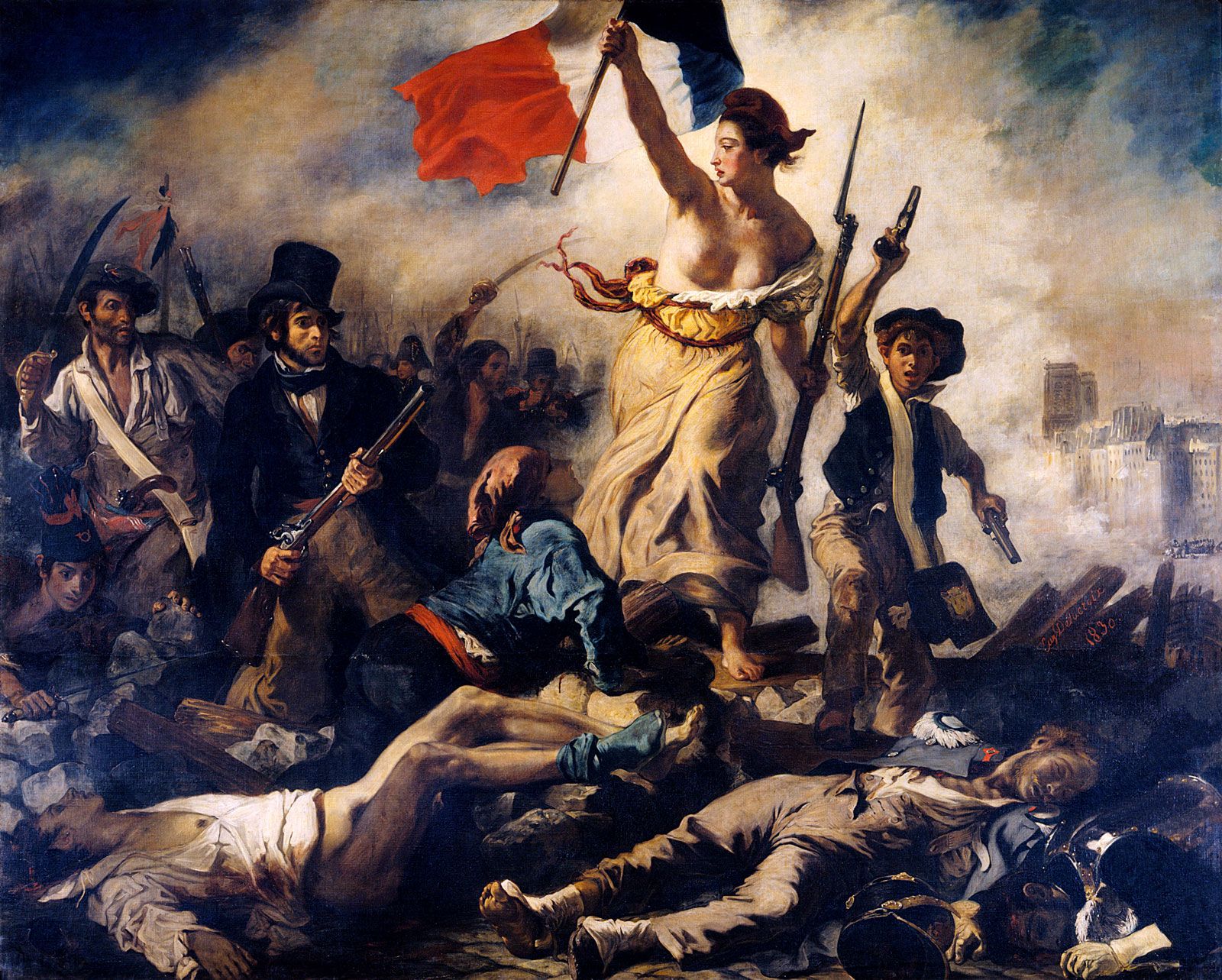
Eugène Delacroix
ArtistEugène Delacroix's work embodies the Romanticism aesthetic. With 78 works in the InspiredHub collection, their art represents a significant voice in Romanticism tradition.
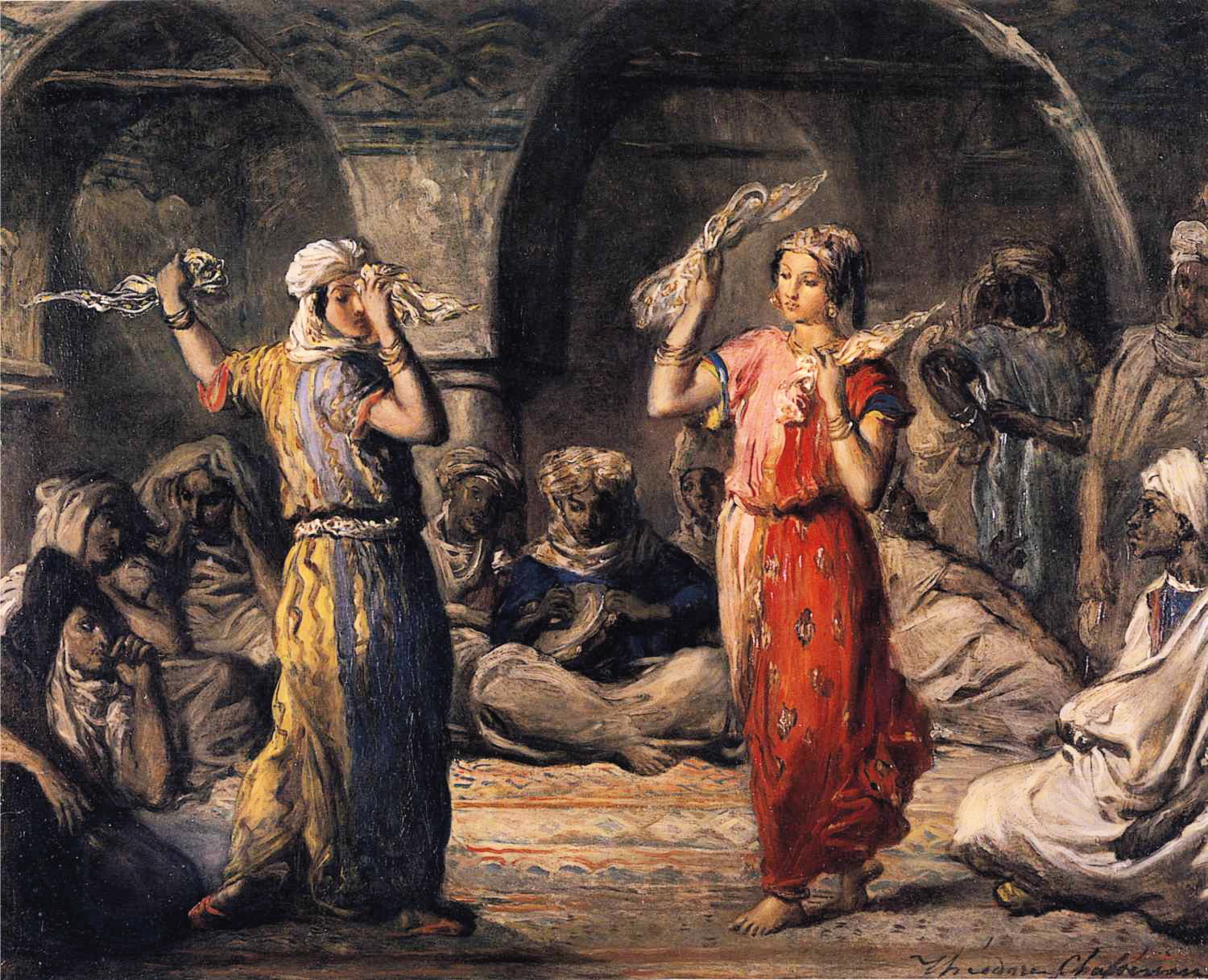
Théodore Chassériau
FreeThéodore Chassériau's work embodies the Romanticism aesthetic. With 75 works in the InspiredHub collection, their art represents a significant voice in Romanticism tradition.
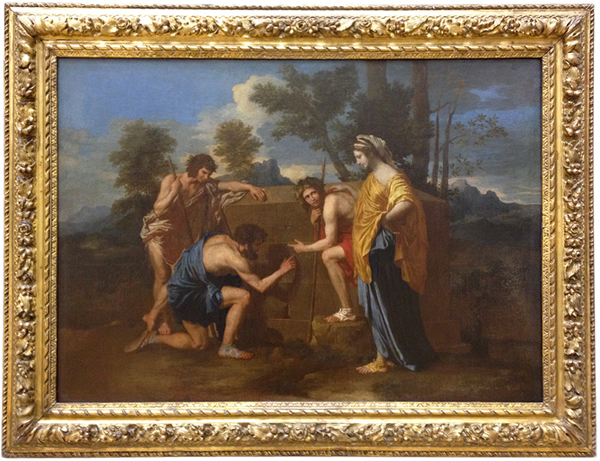
Nicolas Poussin
ArtistNicolas Poussin's work embodies the Baroque aesthetic. With 69 works in the InspiredHub collection, their art represents a significant voice in Baroque tradition.
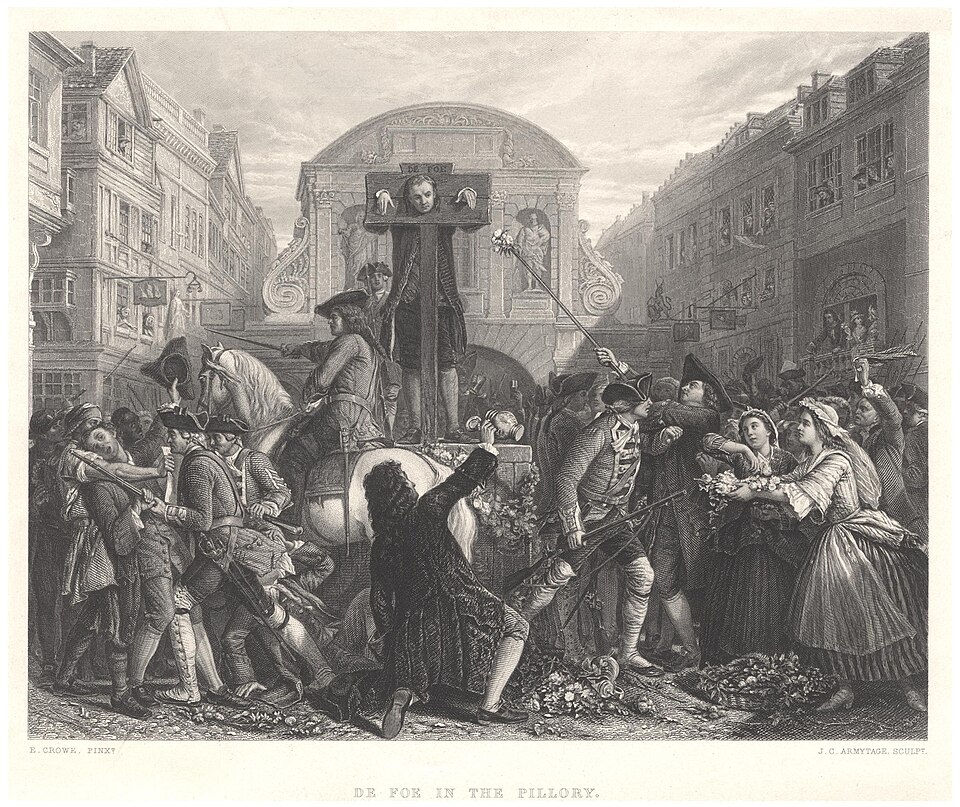
Defoe, Daniel
ArtistA meticulous, grounded voice recounting extraordinary events with an almost journalistic precision, favoring plain language and practical detail.
Gustave Courbet
ArtistGustave Courbet's work embodies the Realism aesthetic. With 66 works in the InspiredHub collection, their art represents a significant voice in Realism tradition.
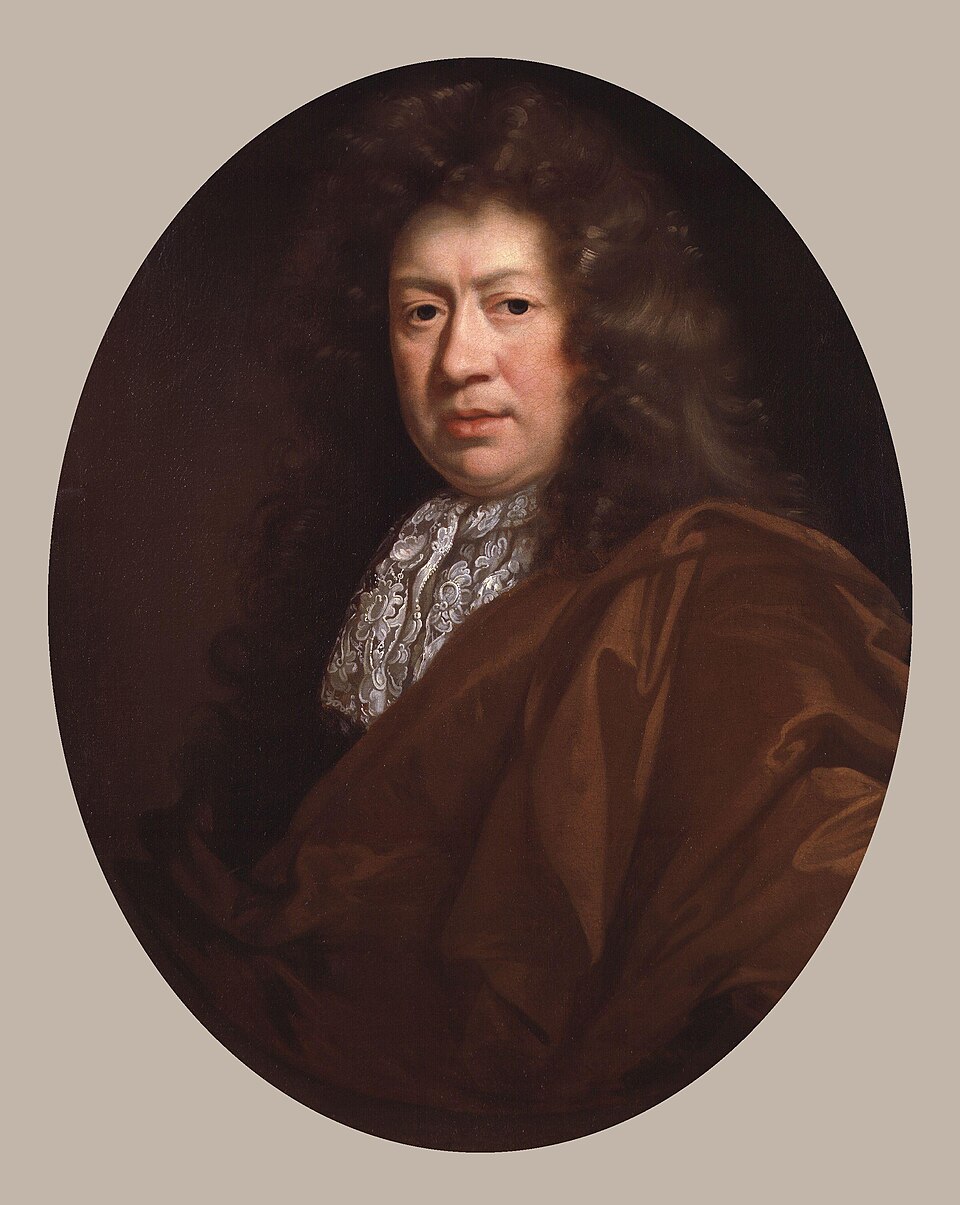
Pepys, Samuel
FreeA meticulous, candid chronicler of daily life and societal observation, blending personal reflection with detailed factual reporting.
El Greco
ArtistEl Greco's work embodies the Renaissance aesthetic. With 60 works in the InspiredHub collection, their art represents a significant voice in Renaissance tradition.
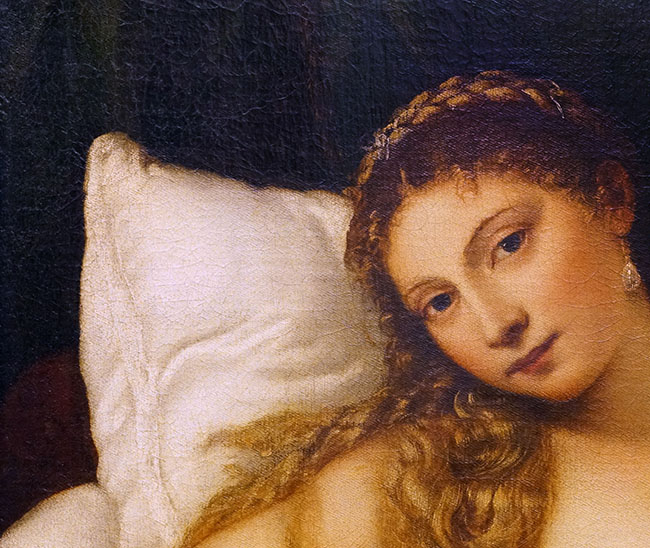
Titian
ArtistTitian's work embodies the Renaissance aesthetic. With 58 works in the InspiredHub collection, their art represents a significant voice in Renaissance tradition.
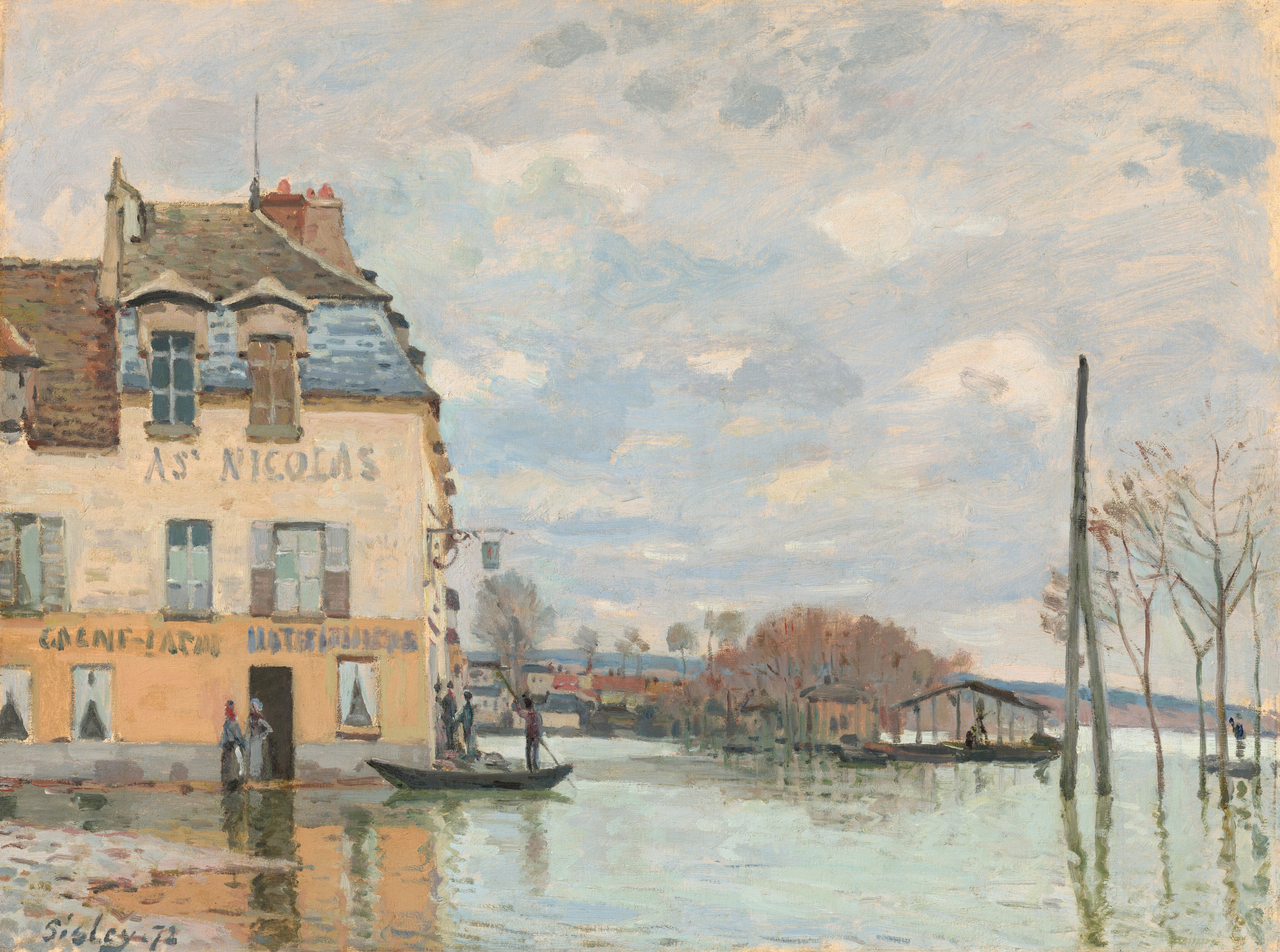
Alfred Sisley
FreeAlfred Sisley's work embodies the Realism aesthetic. With 56 works in the InspiredHub collection, their art represents a significant voice in Realism tradition.
Cervantes Saavedra, Miguel de
ArtistA meticulous chronicler of episodic adventures, blending formal chapter titling with an undercurrent of the fantastical and droll.
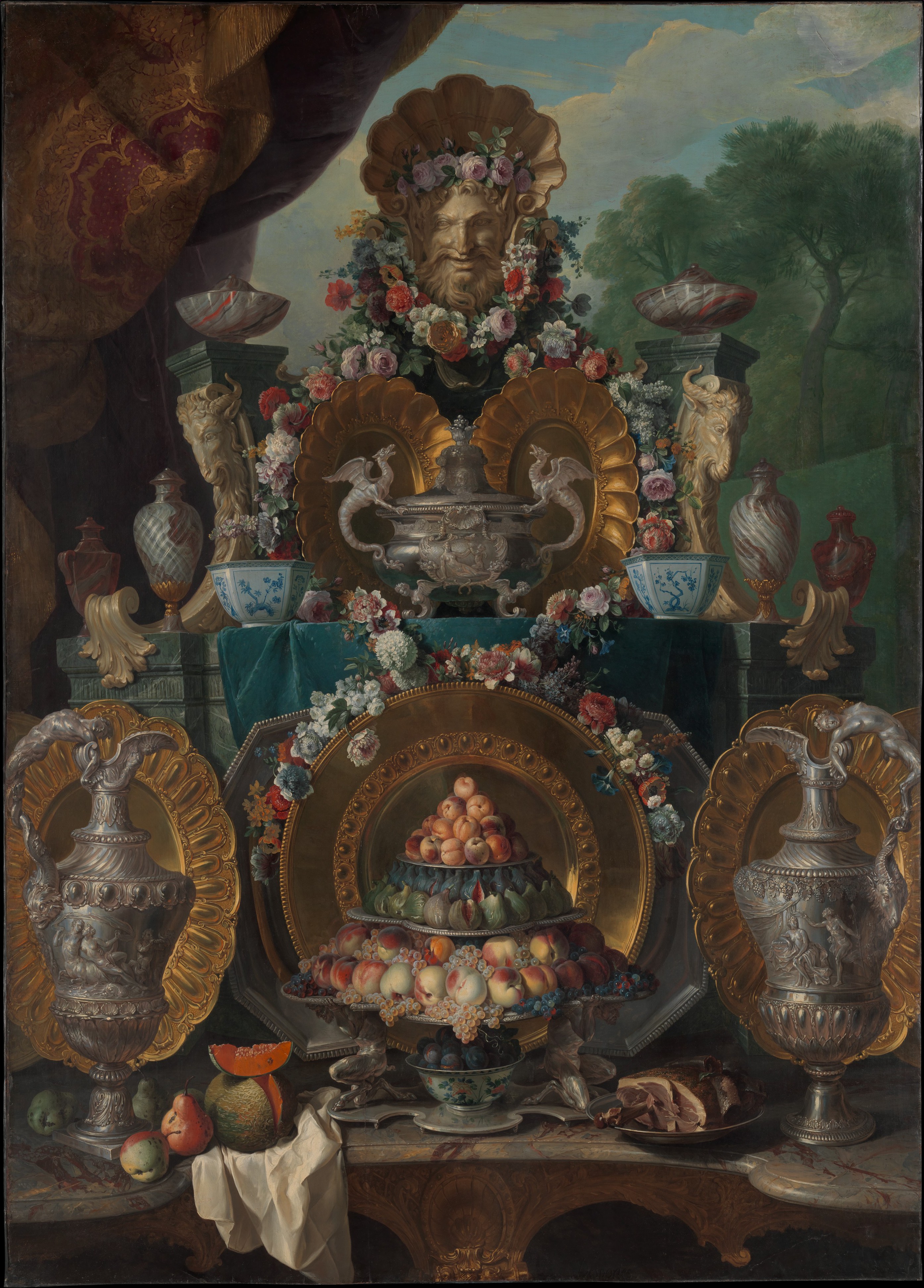
Alexandre-François Desportes
FreeAlexandre-François Desportes's work embodies the Rococo aesthetic. With 55 works in the InspiredHub collection, their art represents a significant voice in Rococo tradition.
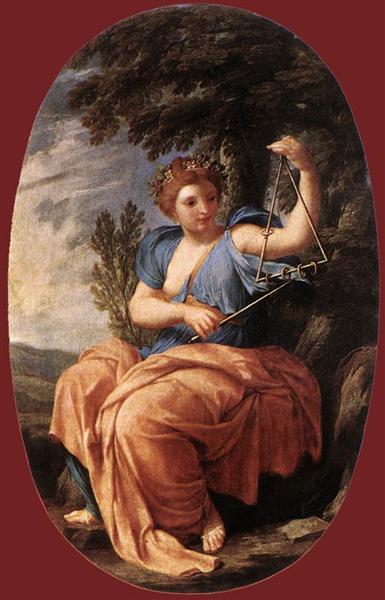
Eustache Le Sueur
FreeEustache Le Sueur's work embodies the Baroque aesthetic. With 55 works in the InspiredHub collection, their art represents a significant voice in Baroque tradition.
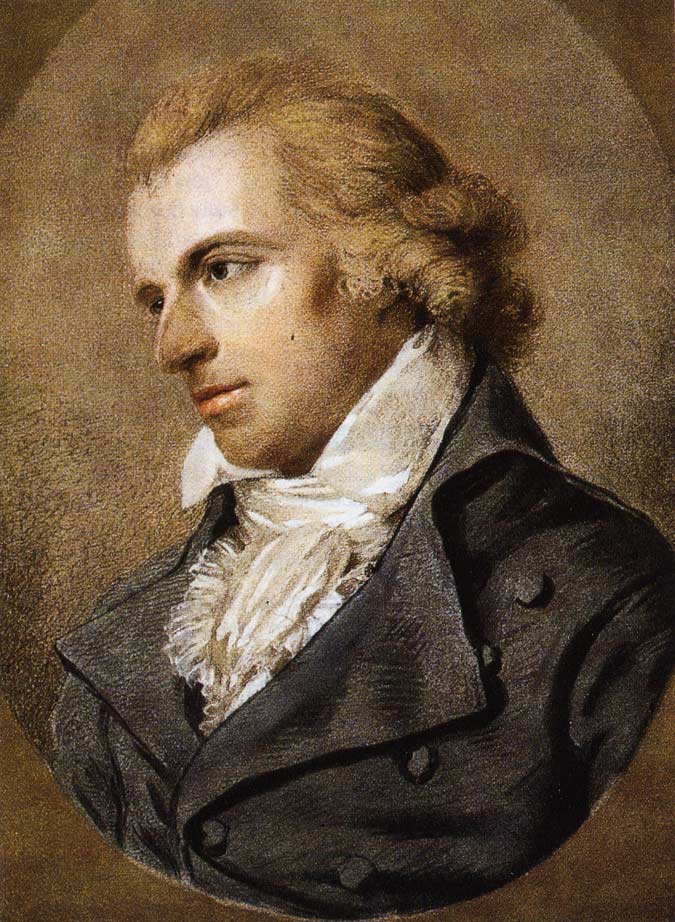
Schiller, Friedrich
FreeA dramatic, philosophical voice dissecting extreme human nature with stark moral contrasts and an unapologetic exploration of vice.
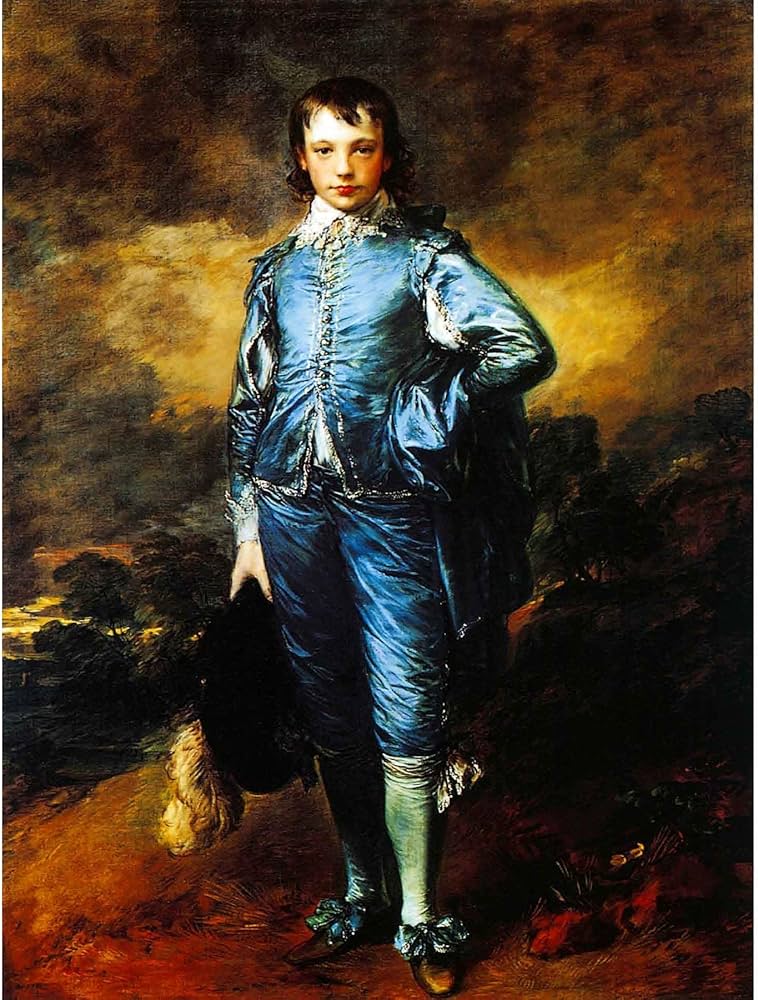
Thomas Gainsborough
FreeThomas Gainsborough's work embodies the Rococo aesthetic. With 52 works in the InspiredHub collection, their art represents a significant voice in Rococo tradition.
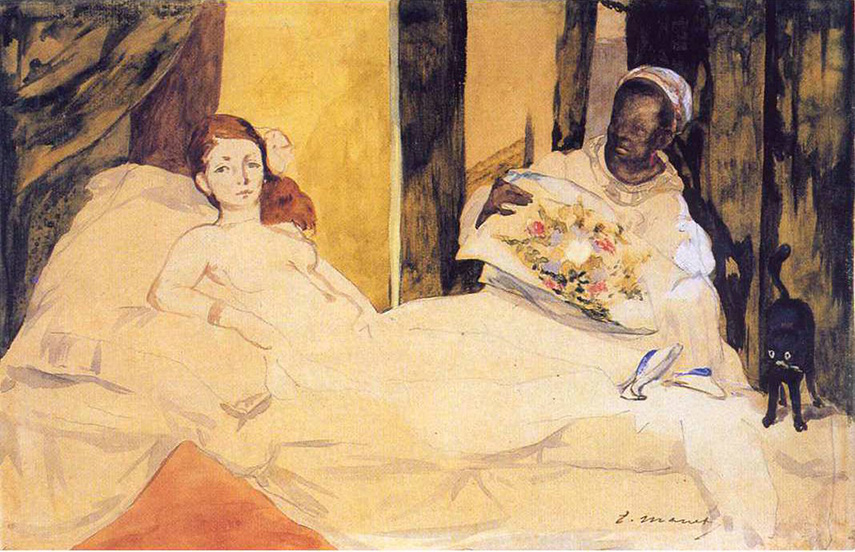
Édouard Manet
ArtistÉdouard Manet's work embodies the Realism aesthetic. With 51 works in the InspiredHub collection, their art represents a significant voice in Realism tradition.
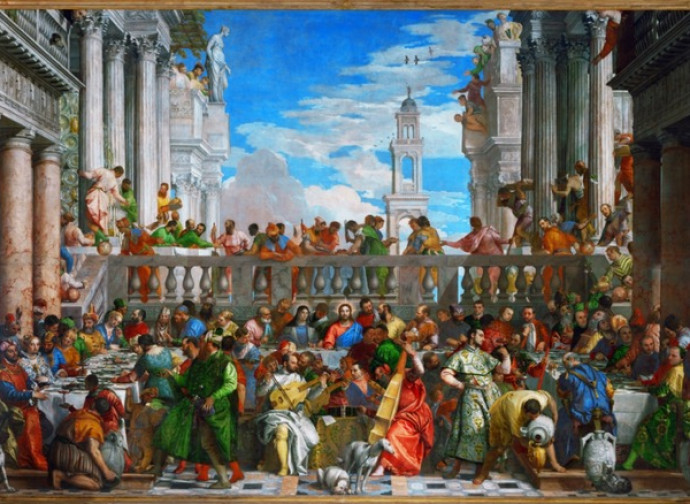
Paolo Veronese
FreePaolo Veronese's work embodies the Renaissance aesthetic. With 51 works in the InspiredHub collection, their art represents a significant voice in Renaissance tradition.
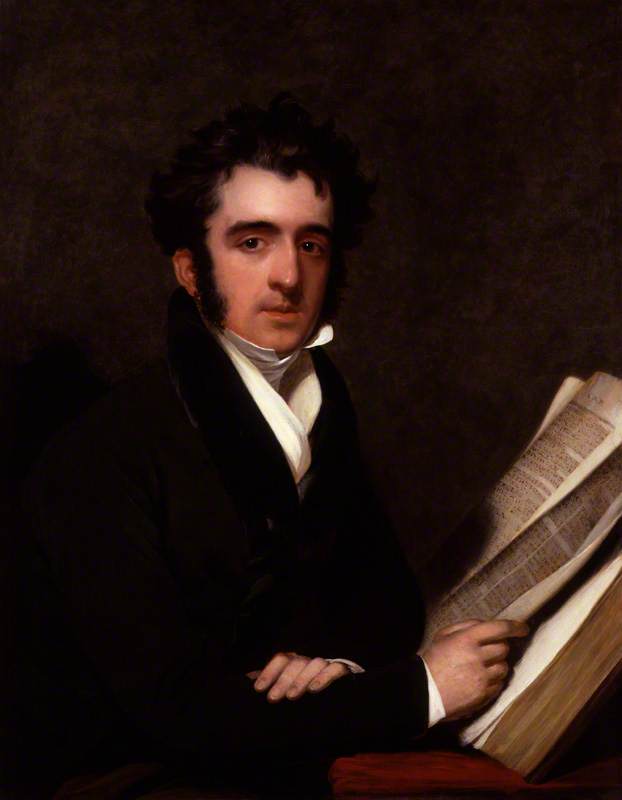
Sand, George
FreeA voice of discerning observation, contrasting grandiosity with humility, infused with personal conviction and a touch of critical defiance.
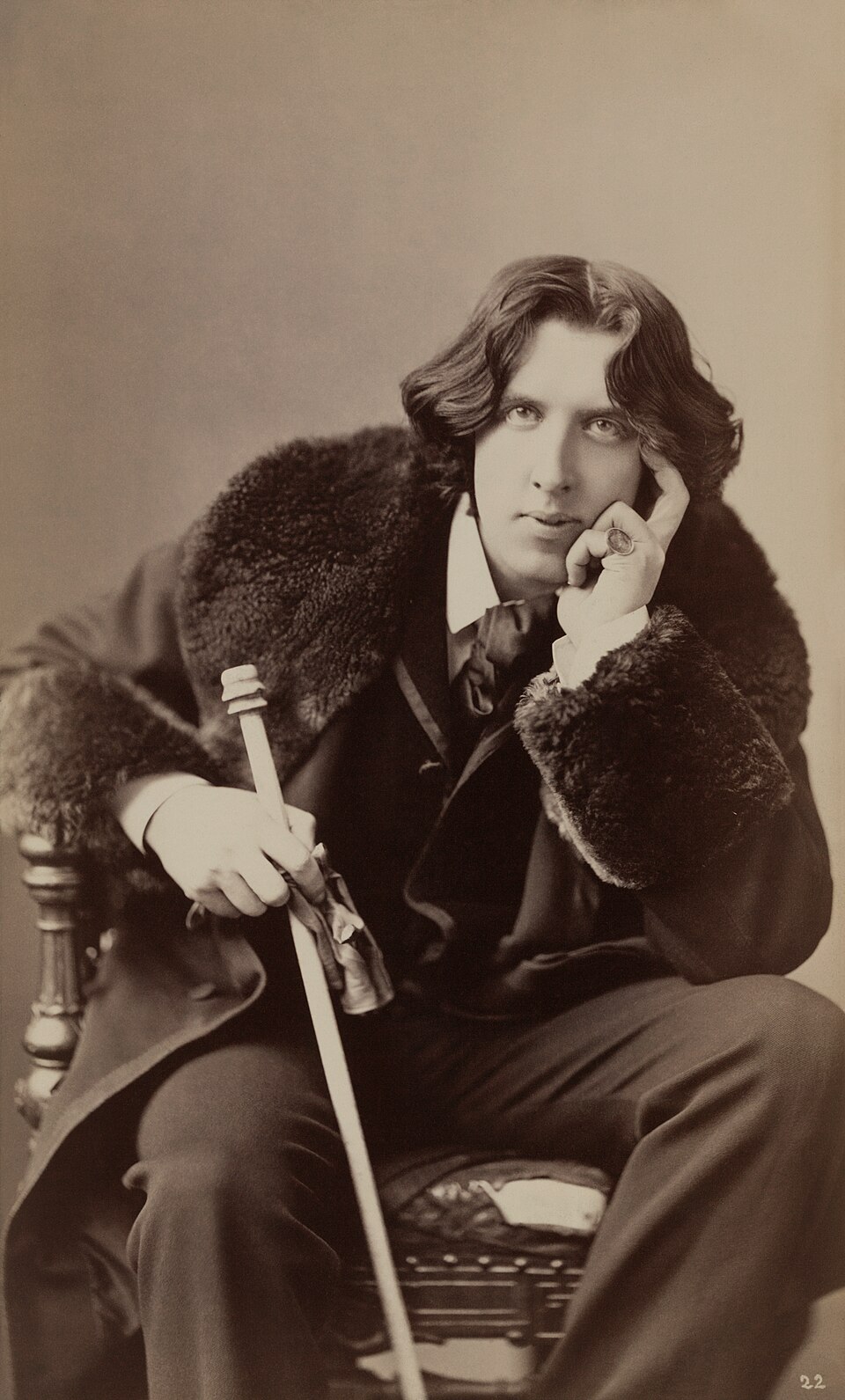
Wilde, Oscar
ArtistWilde's taste is a dazzling display of epigrammatic wit, aesthetic defiance, and a languid, luxurious observation of human folly and beauty.
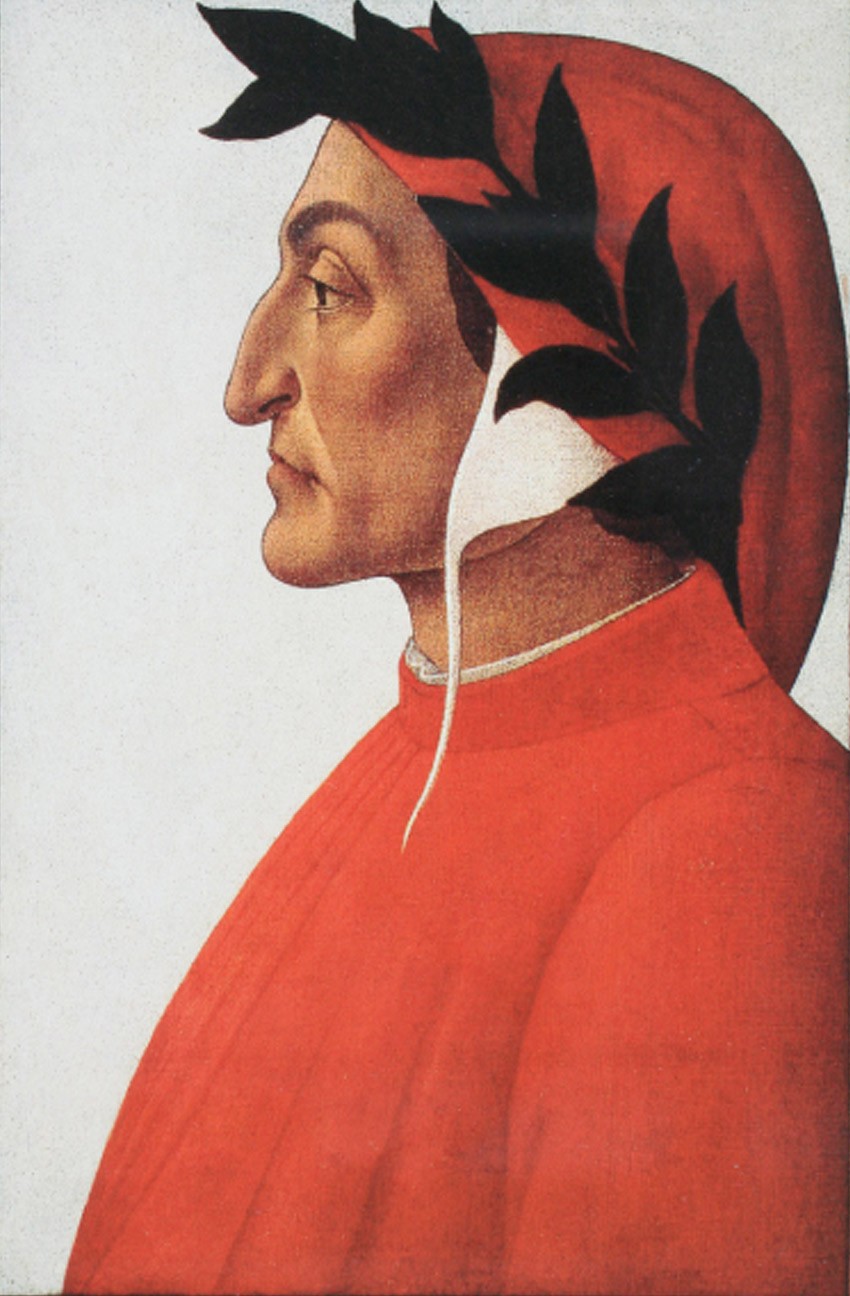
Dante Alighieri
ArtistA journey through moral landscapes, marked by vivid allegories, detailed suffering, and a relentless pursuit of divine order.
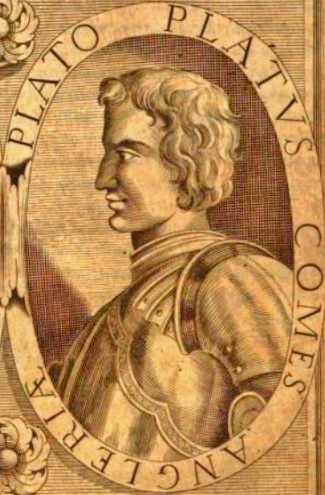
Plato
ArtistA dialectical exploration of profound concepts, presented through layered narrative and vivid intellectual discourse, often with an underlying current of irony.
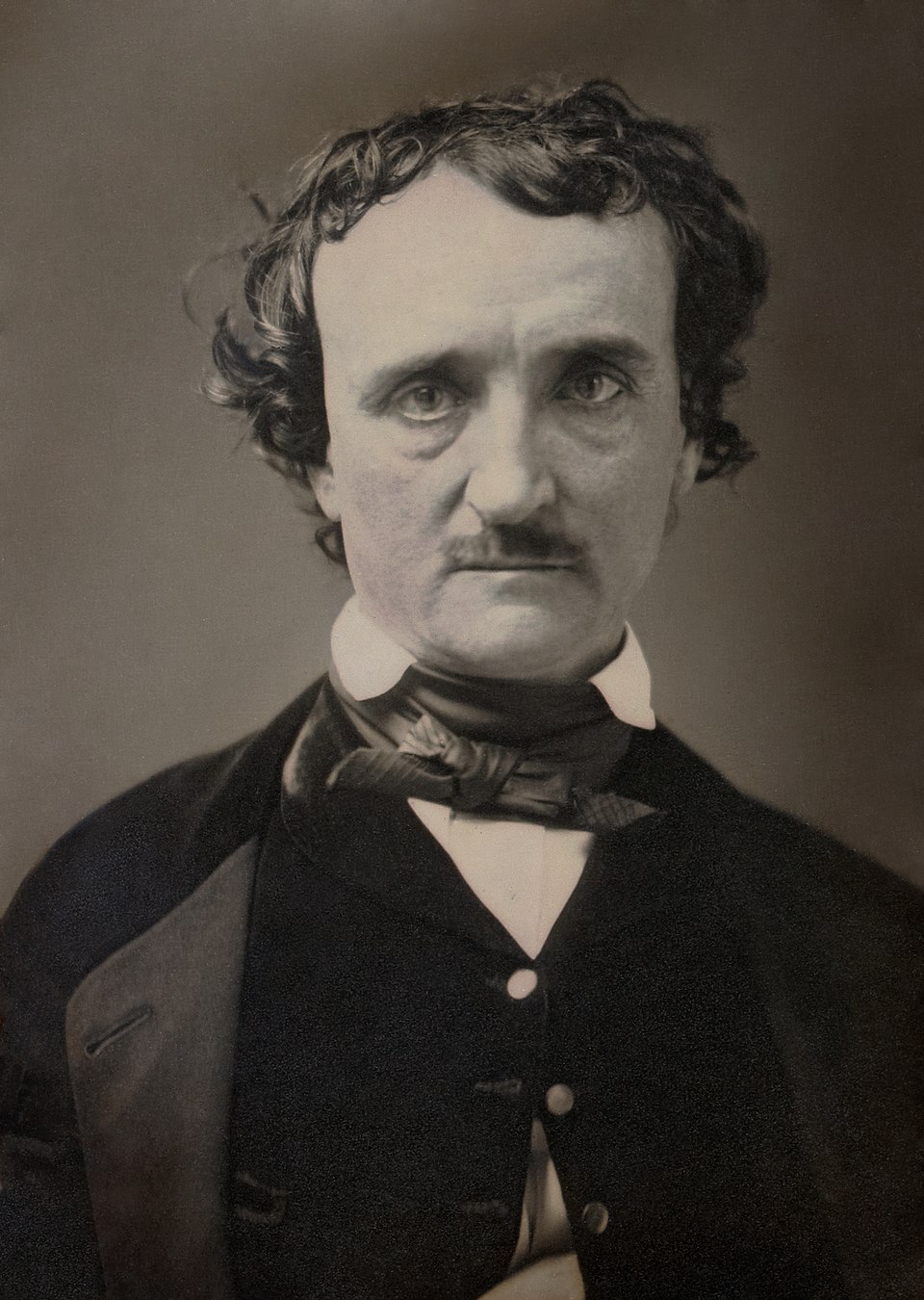
Poe, Edgar Allan
ArtistA master of psychological dread and calculated malice, crafting narratives of obsessive intellect and unsettling beauty.
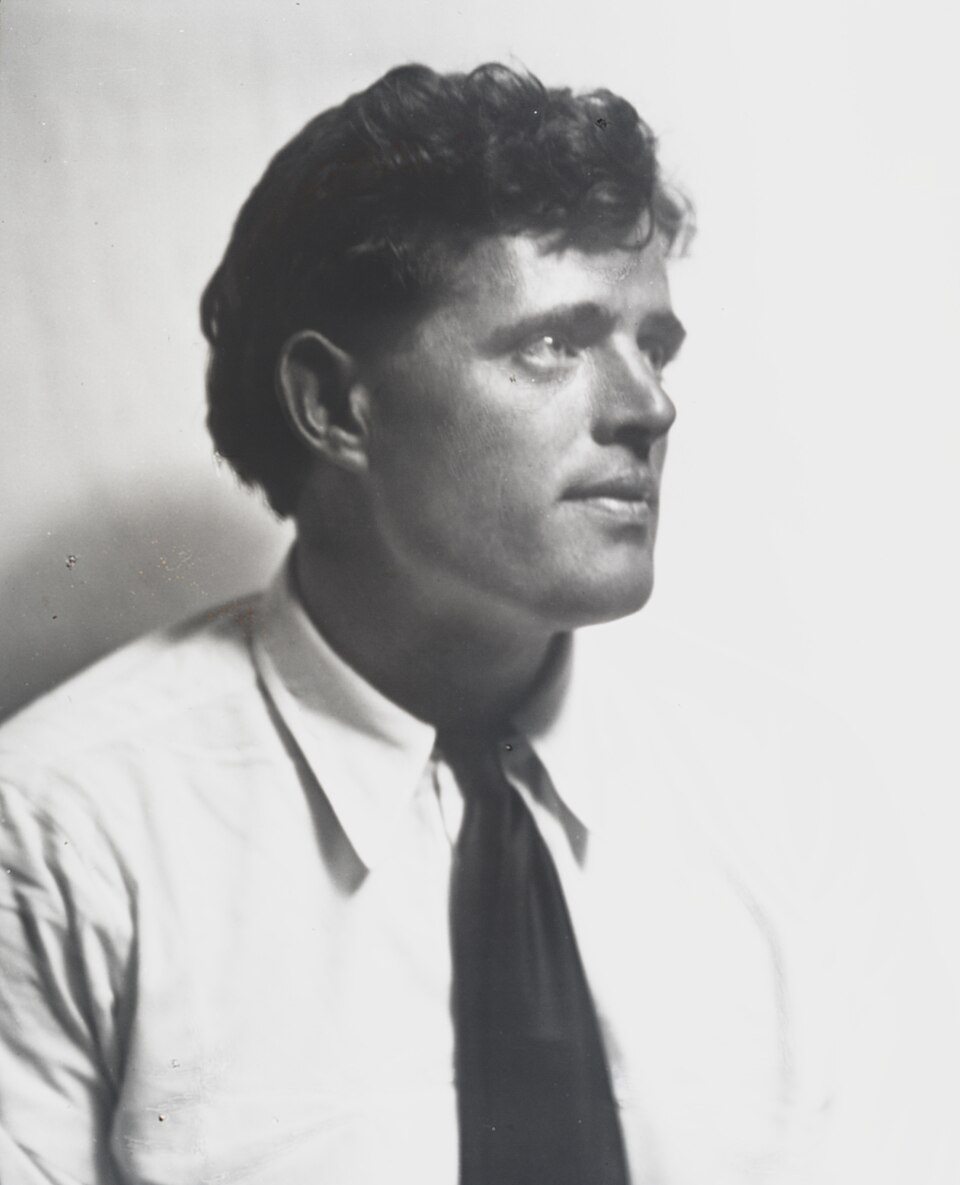
London, Jack
ArtistA primal, untamed voice that confronts the raw, often brutal forces of nature and human instinct with stark, visceral clarity.
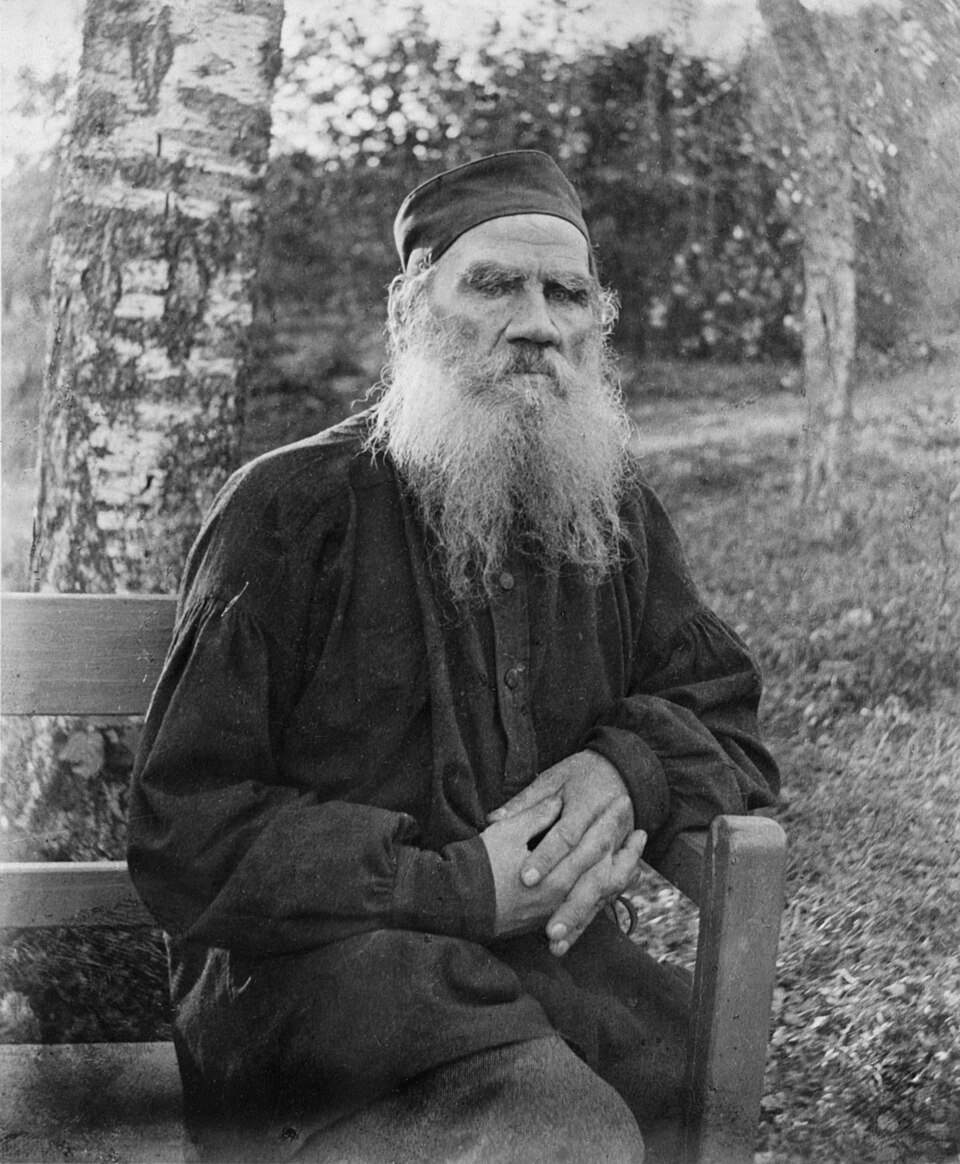
Tolstoy, Leo, graf
ArtistTolstoy's prose delves into the intricate moral and psychological landscapes of humanity, often through meticulous observation and philosophical inquiry.
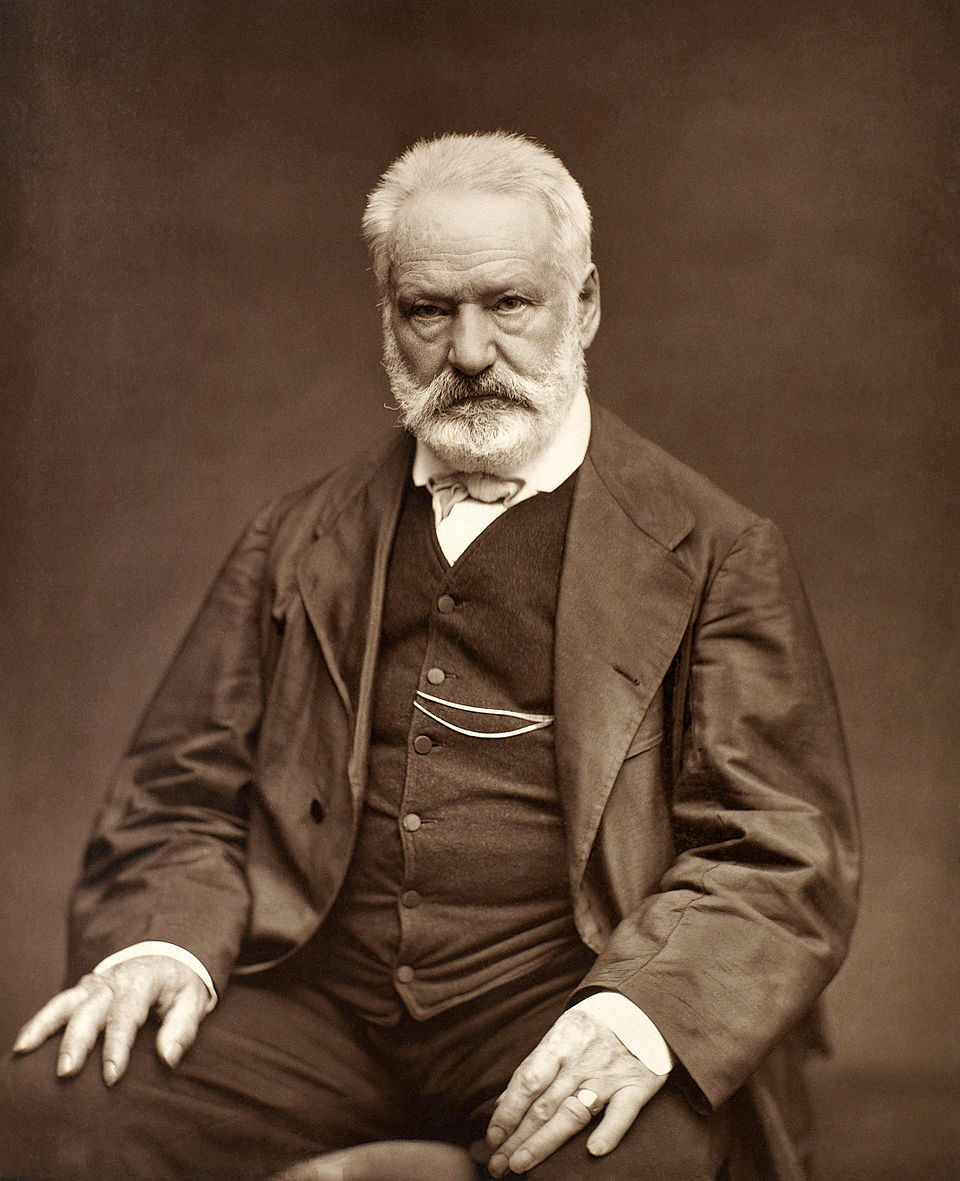
Hugo, Victor
ArtistA panoramic, deeply structured narrative voice, meticulously cataloging human condition and societal forces through grand, often somber, chapter architecture.
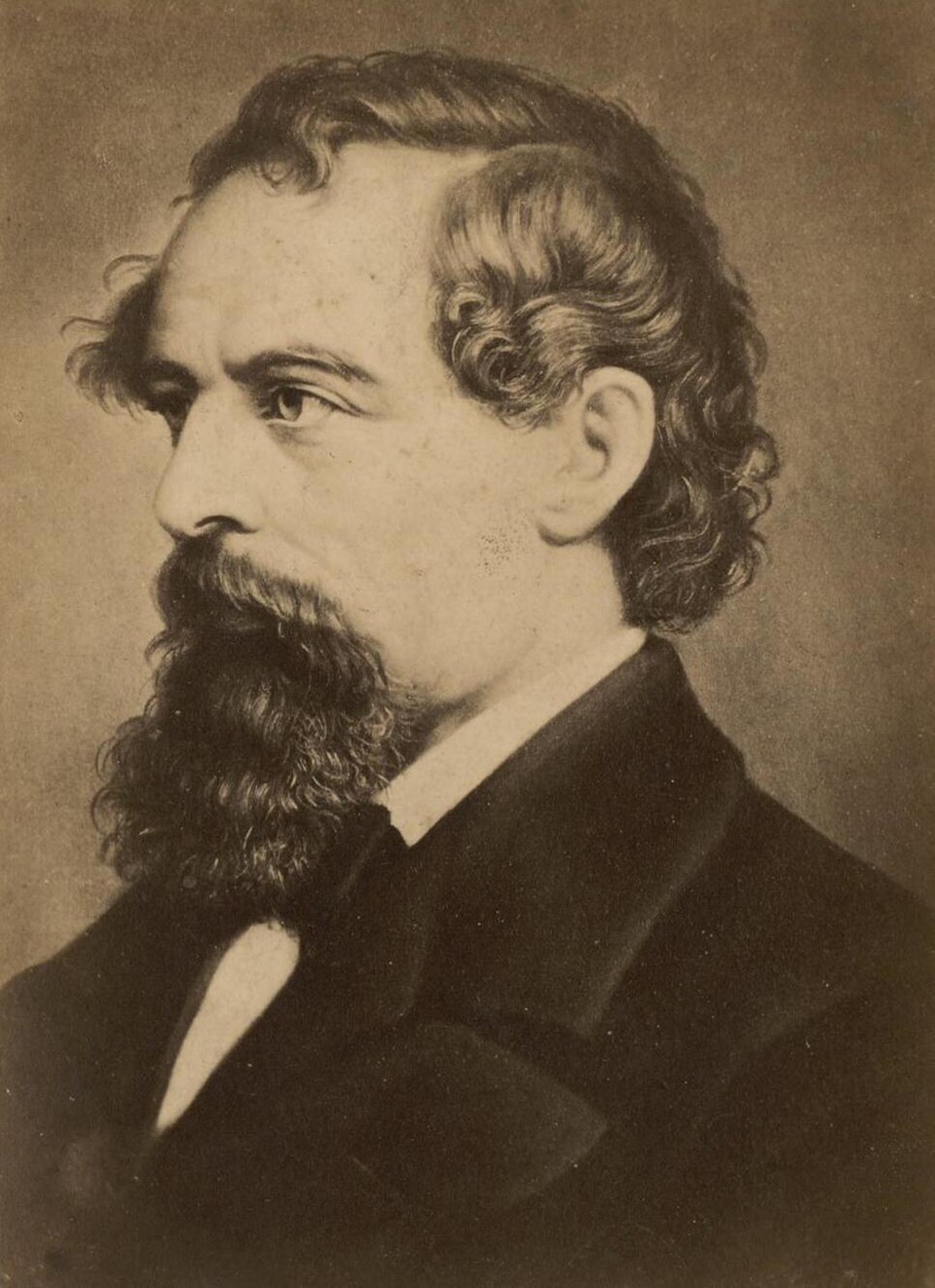
Dickens, Charles
ArtistA vivid, often theatrical voice that dissects societal structures and human foibles through rich, descriptive language and dramatic contrasts.
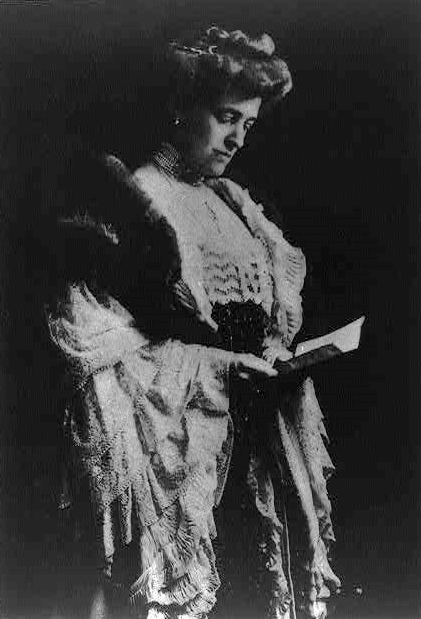
Wharton, Edith
ArtistA discerning, often melancholic, gaze into the social and psychological landscapes of constrained lives.
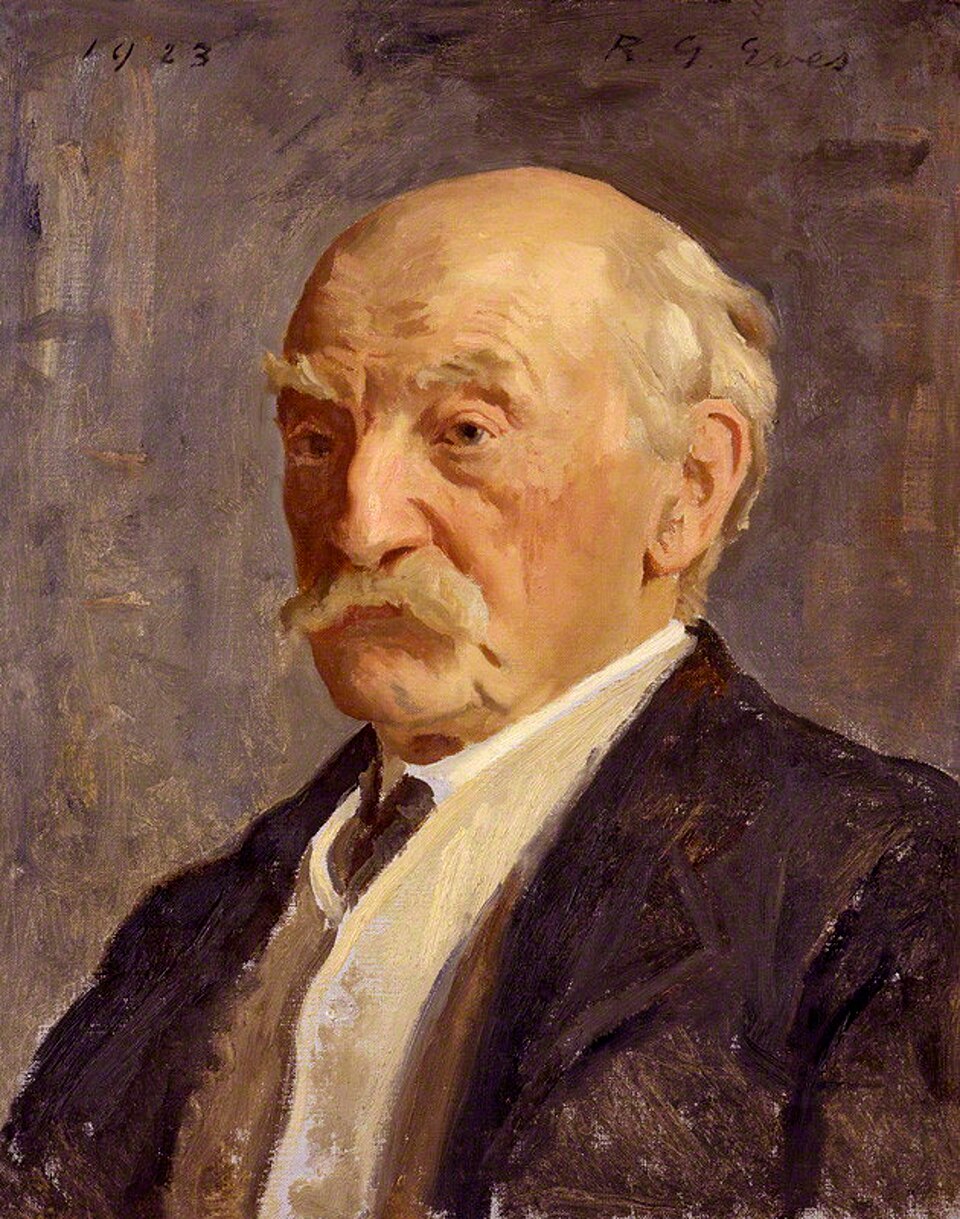
Hardy, Thomas
ArtistA voice that frames human struggles against vast, indifferent landscapes, revealing profound social critiques through detailed observation and philosophical reflection.
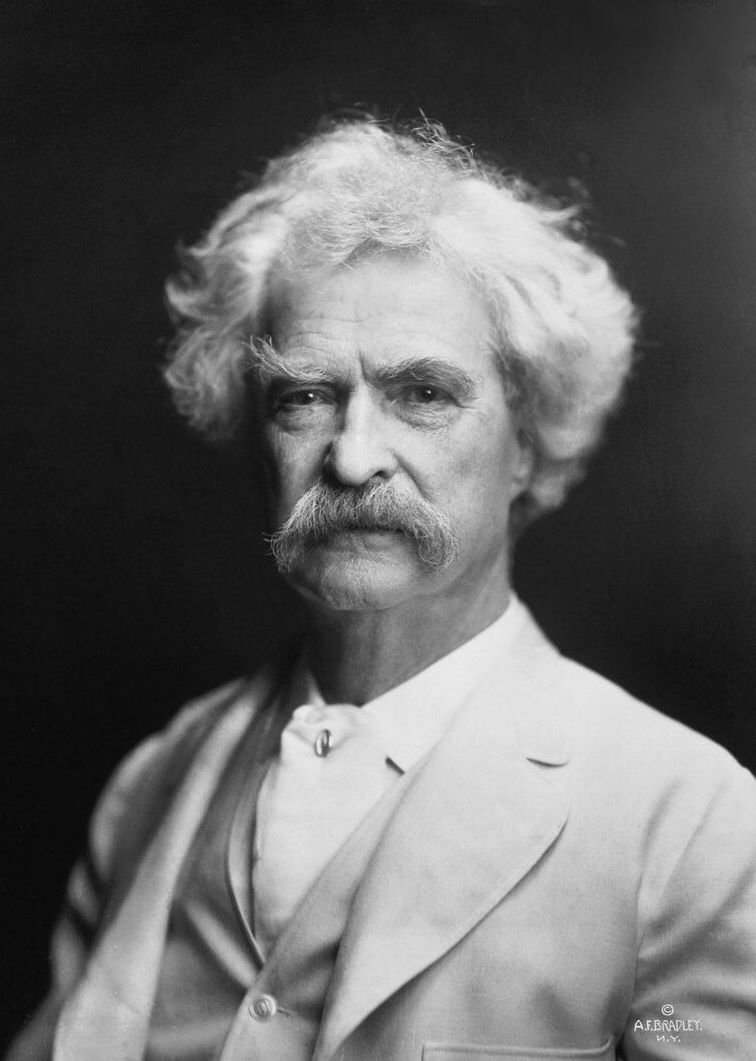
Twain, Mark
ArtistA vernacular, episodic narrative style, marked by blunt, often humorous titles and a focus on regional events and character-driven vignettes.
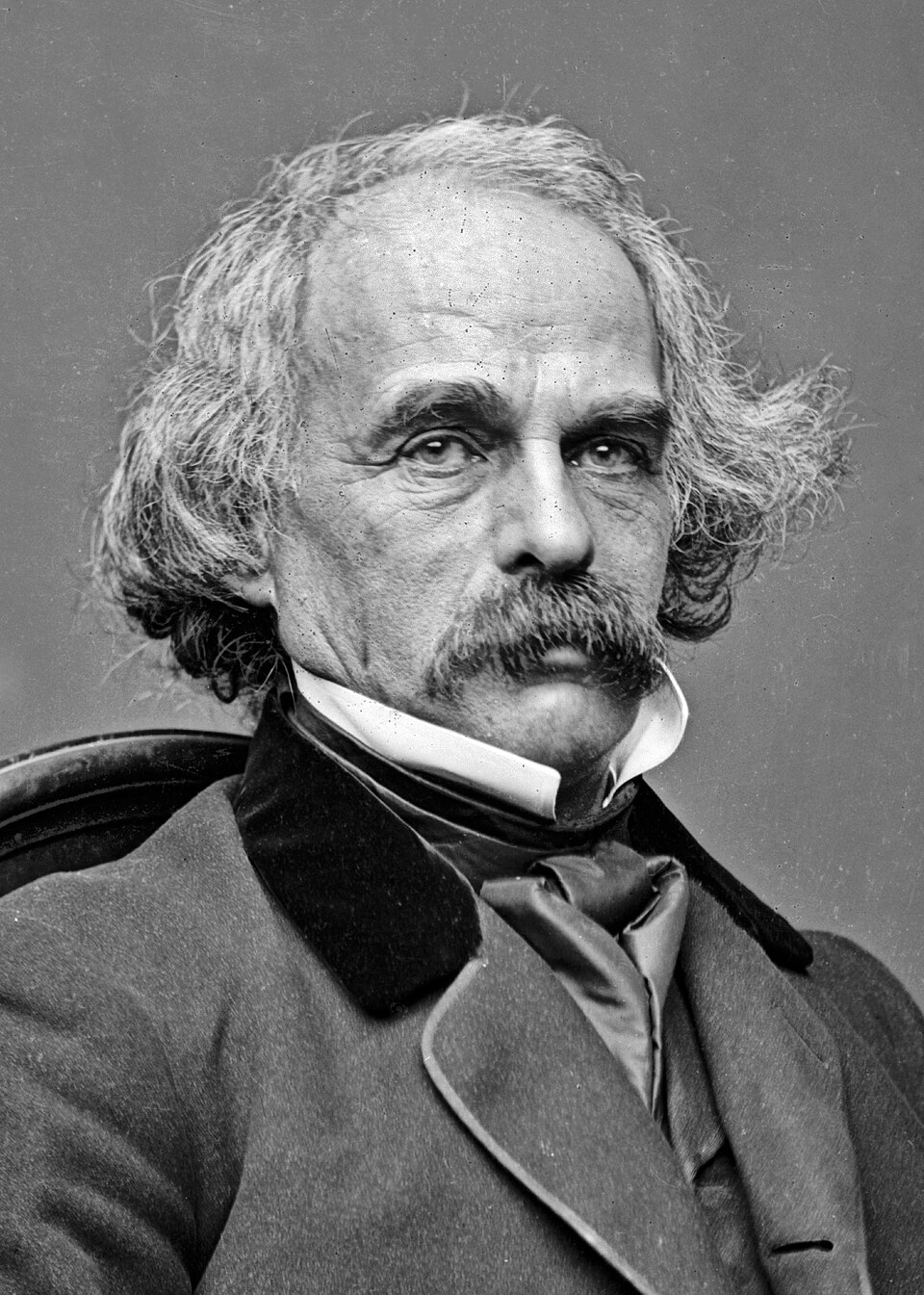
Hawthorne, Nathaniel
FreeA voice steeped in historical reflection, moral ambiguity, and atmospheric description, often with a subtle, ironic distance.
Balzac, Honoré de
ArtistBalzac's prose dissects society with an unflinching, panoramic gaze, revealing its intricate mechanisms through exhaustive detail and moral commentary.
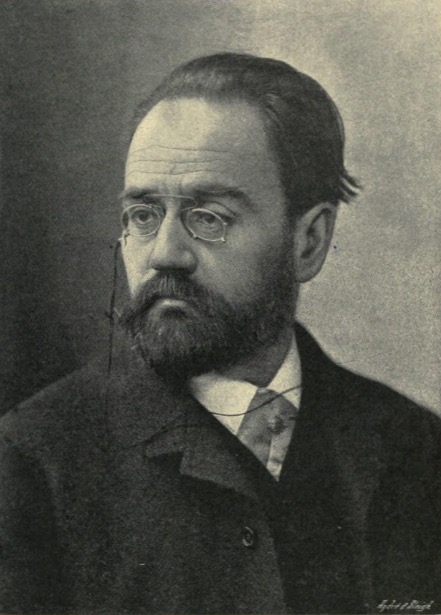
Zola, Émile
ArtistA stark, unvarnished portrayal of human struggle amidst meticulously detailed, often squalid, environments, grounded in observational realism.
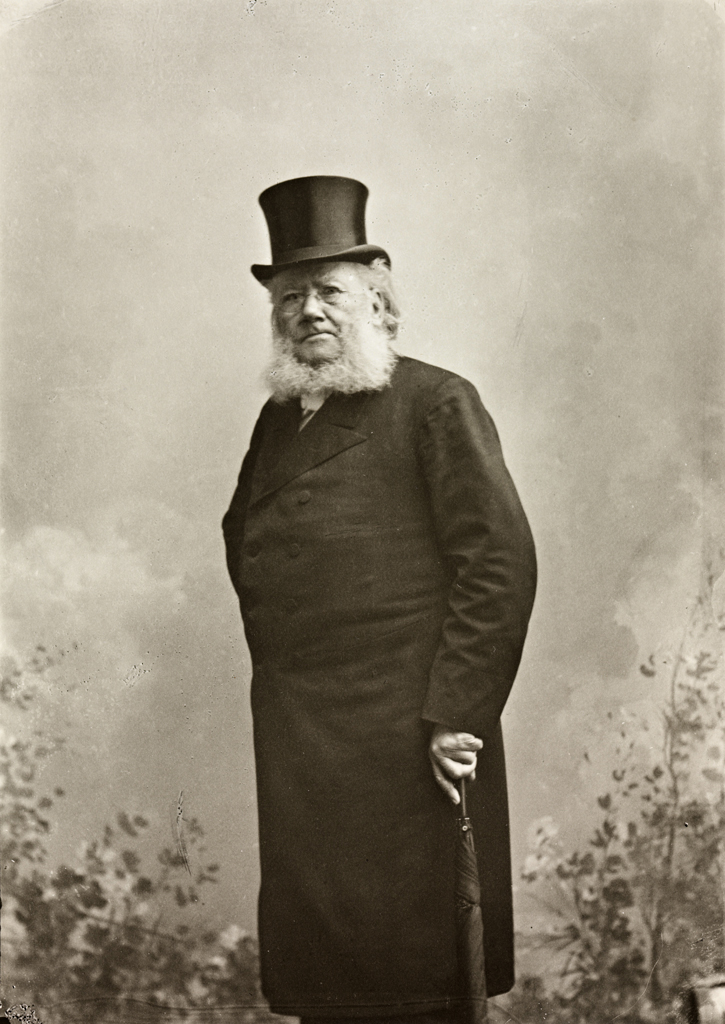
Ibsen, Henrik
ArtistPrecise, observational rendering of domestic spaces and social interactions, revealing underlying tensions through controlled dialogue.
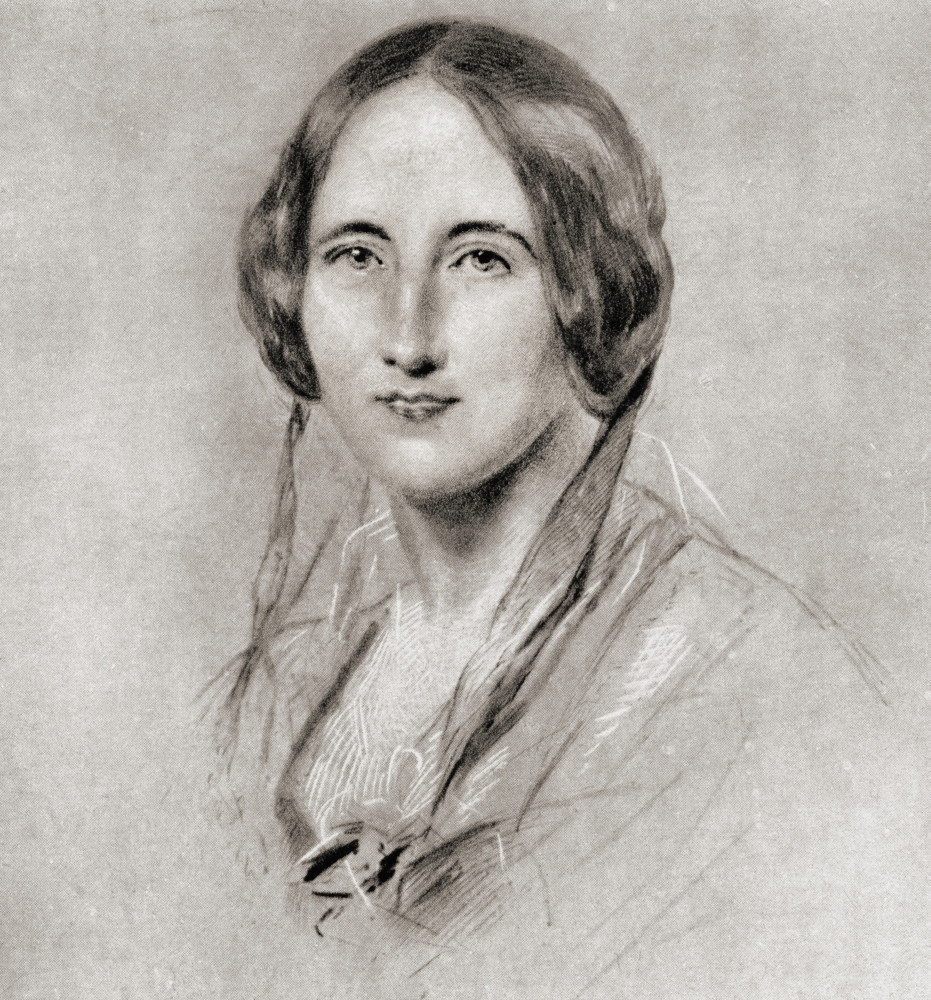
Gaskell, Elizabeth Cleghorn
FreeA blend of gentle social observation and earnest narrative voice, often framing domestic scenes within broader societal currents with a touch of understated wit.
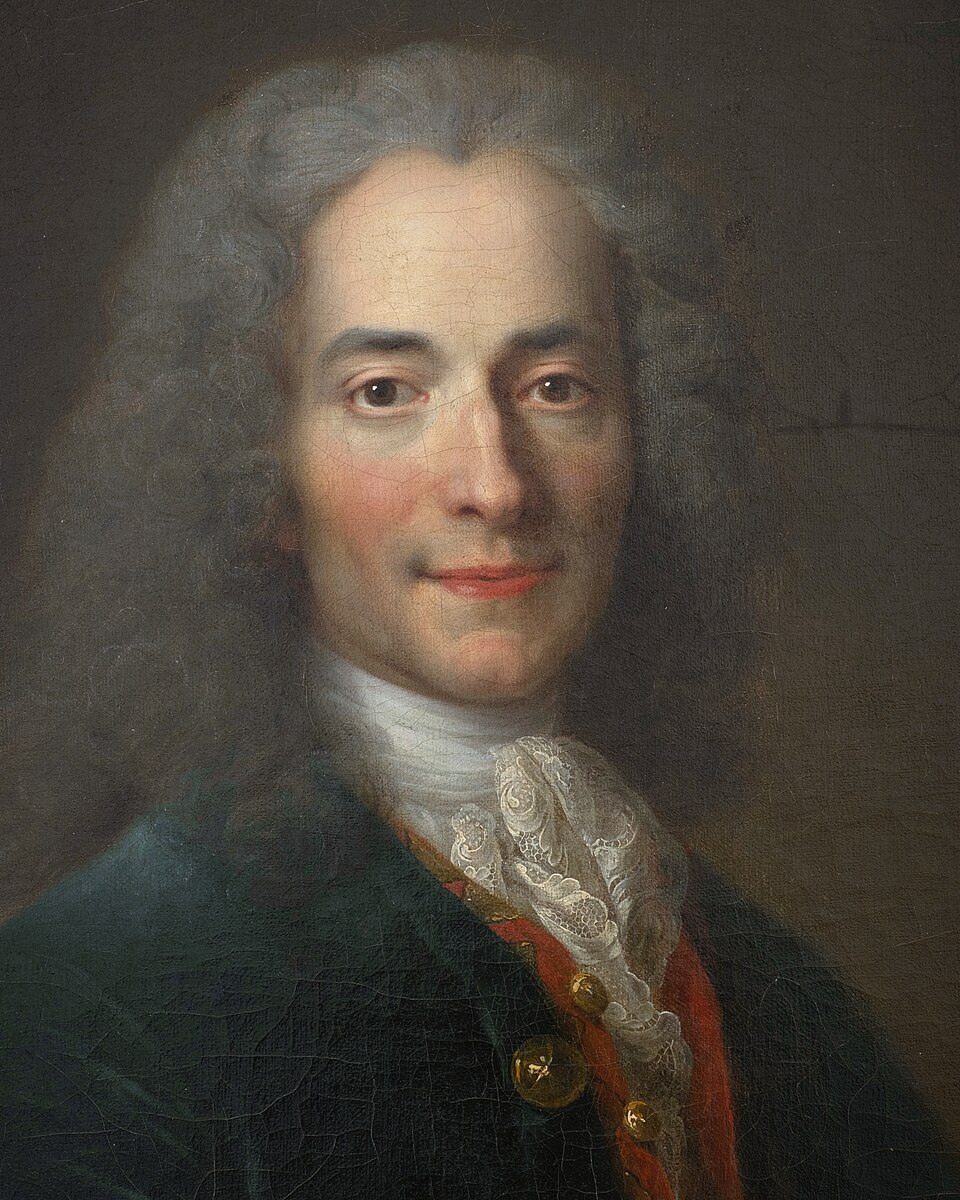
Voltaire
ArtistVoltaire's taste is a sharp, incisive wit, dissecting human folly with ironic detachment and a relentless, yet elegant, critical gaze.
Chekhov, Anton Pavlovich
ArtistA quiet, observational prose revealing the mundane tragedies and unspoken desires of ordinary lives, often through detached, yet poignant, detail.
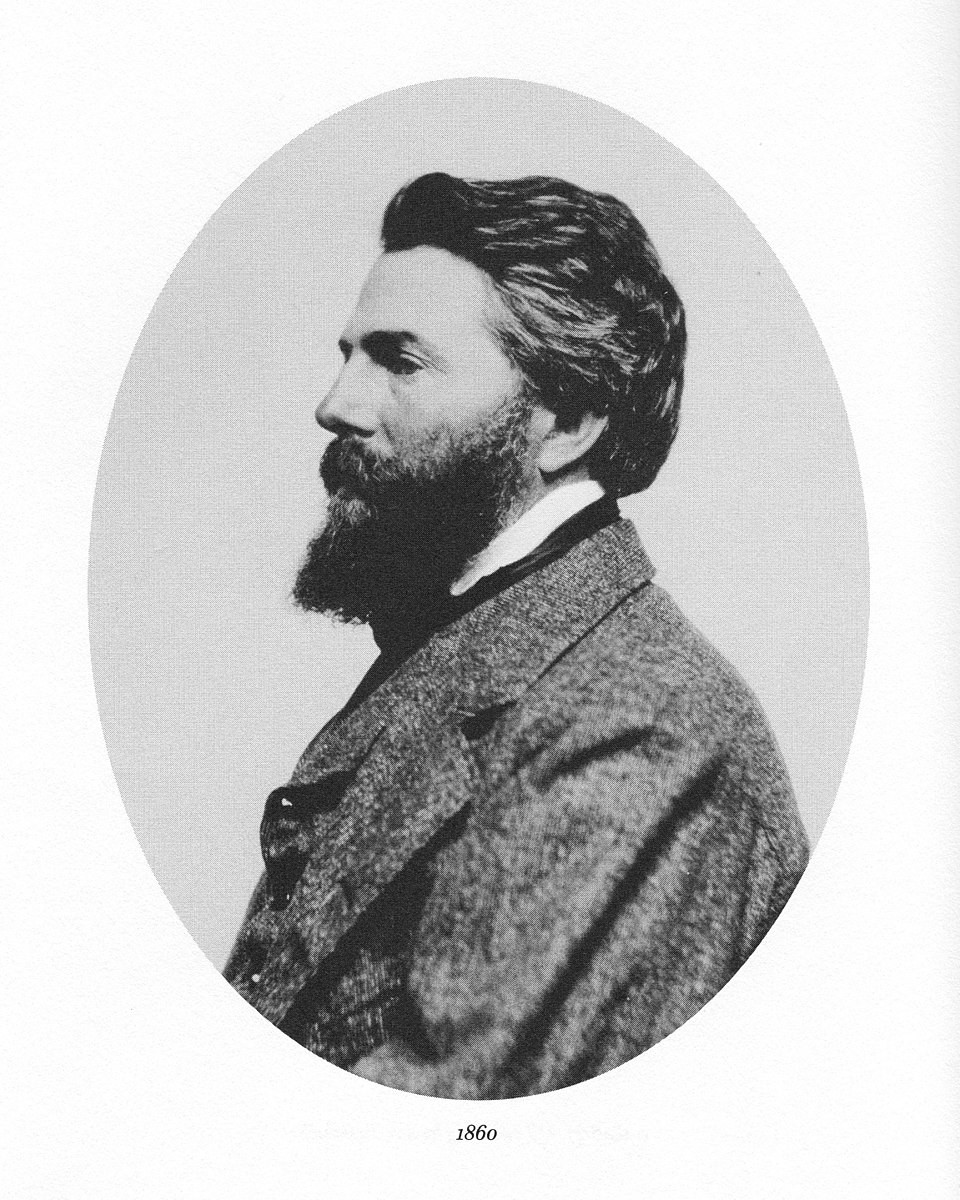
Melville, Herman
ArtistA deep dive into the profound, the peculiar, and the meticulously cataloged, revealing the hidden depths of existence through obsessive detail.
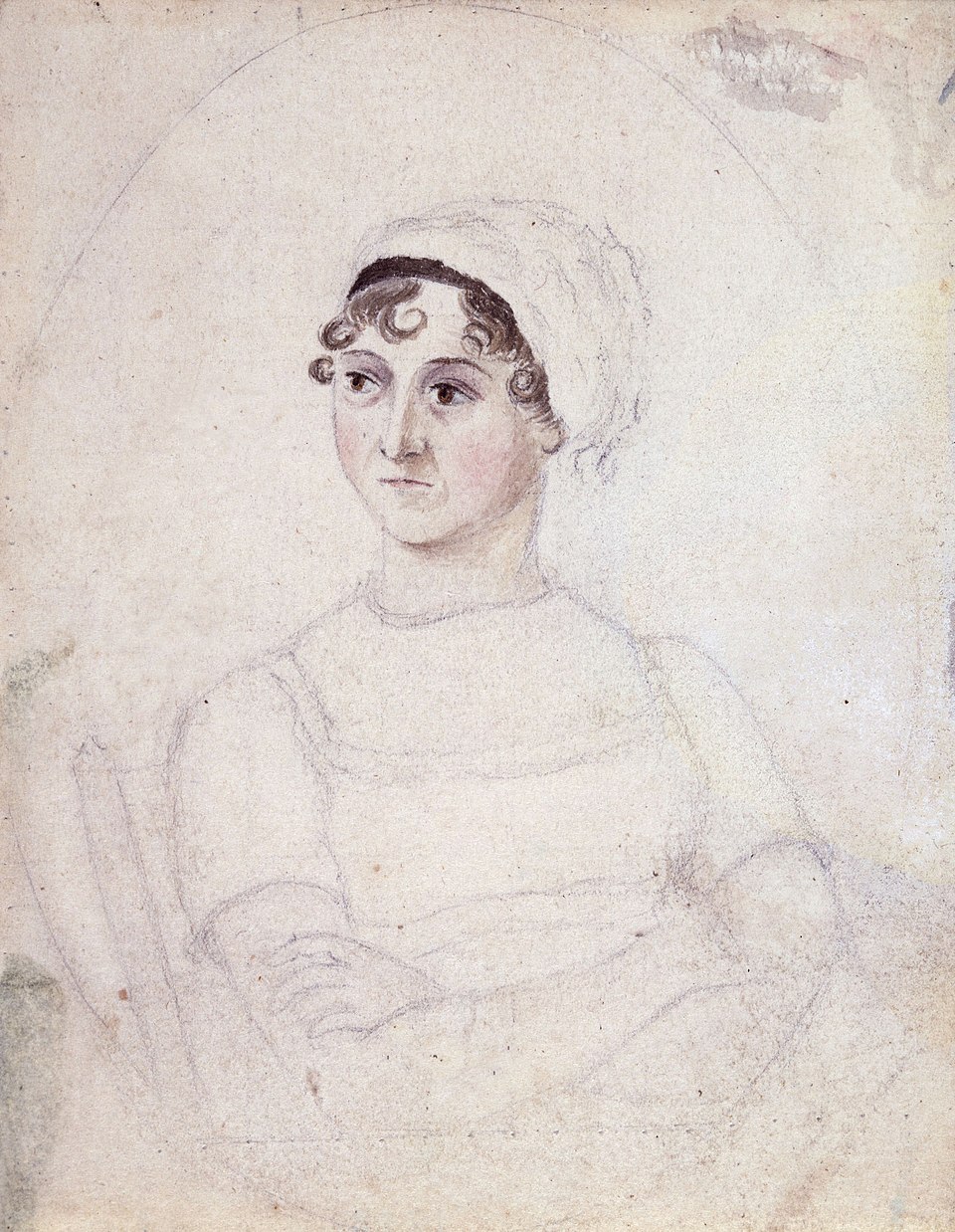
Austen, Jane
ArtistA meticulous, observational voice dissecting social structures and character with precise, often subtle, commentary on human foibles and fortunes.
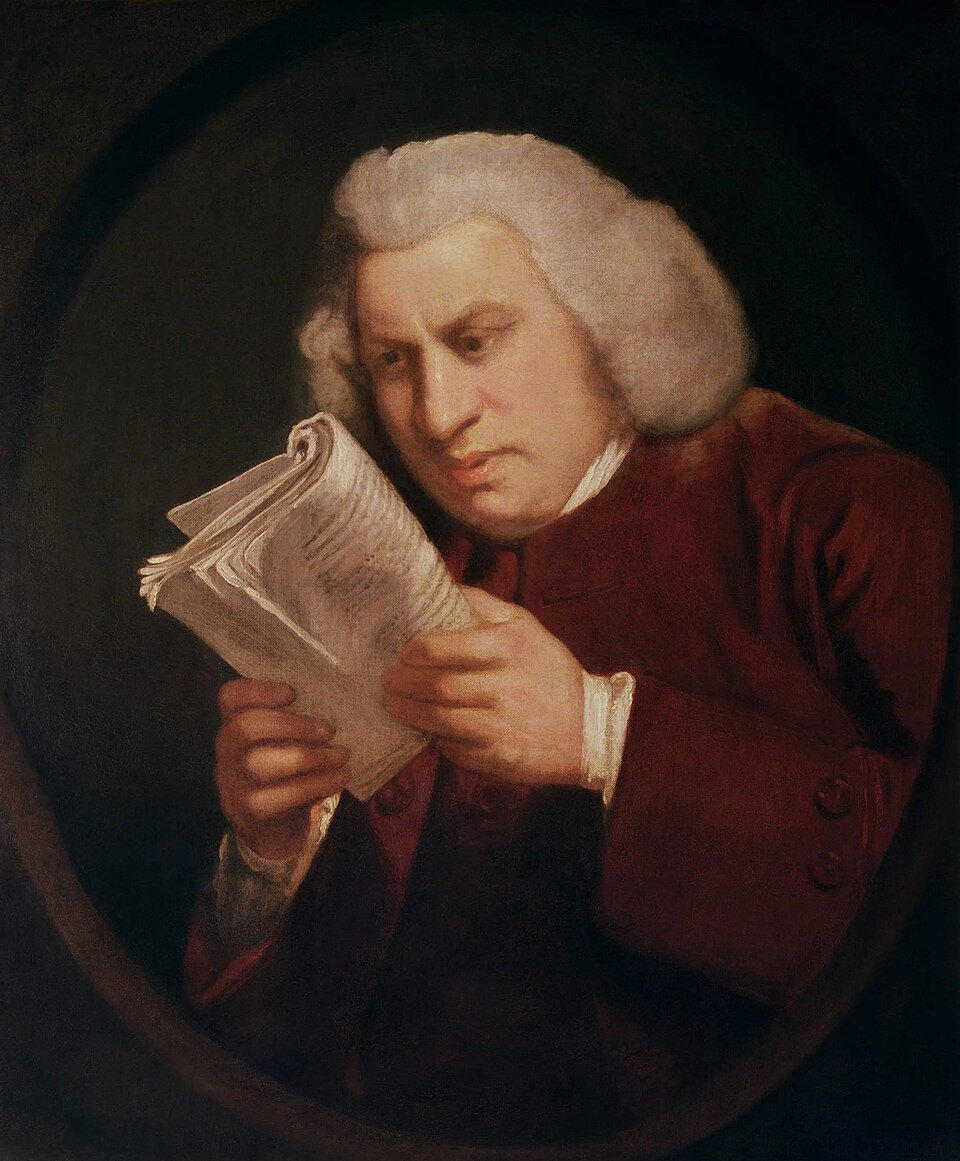
Locke, William John
FreeWhimsical, self-aware narration blends classical allusions with sardonic wit and dramatic personal revelation.
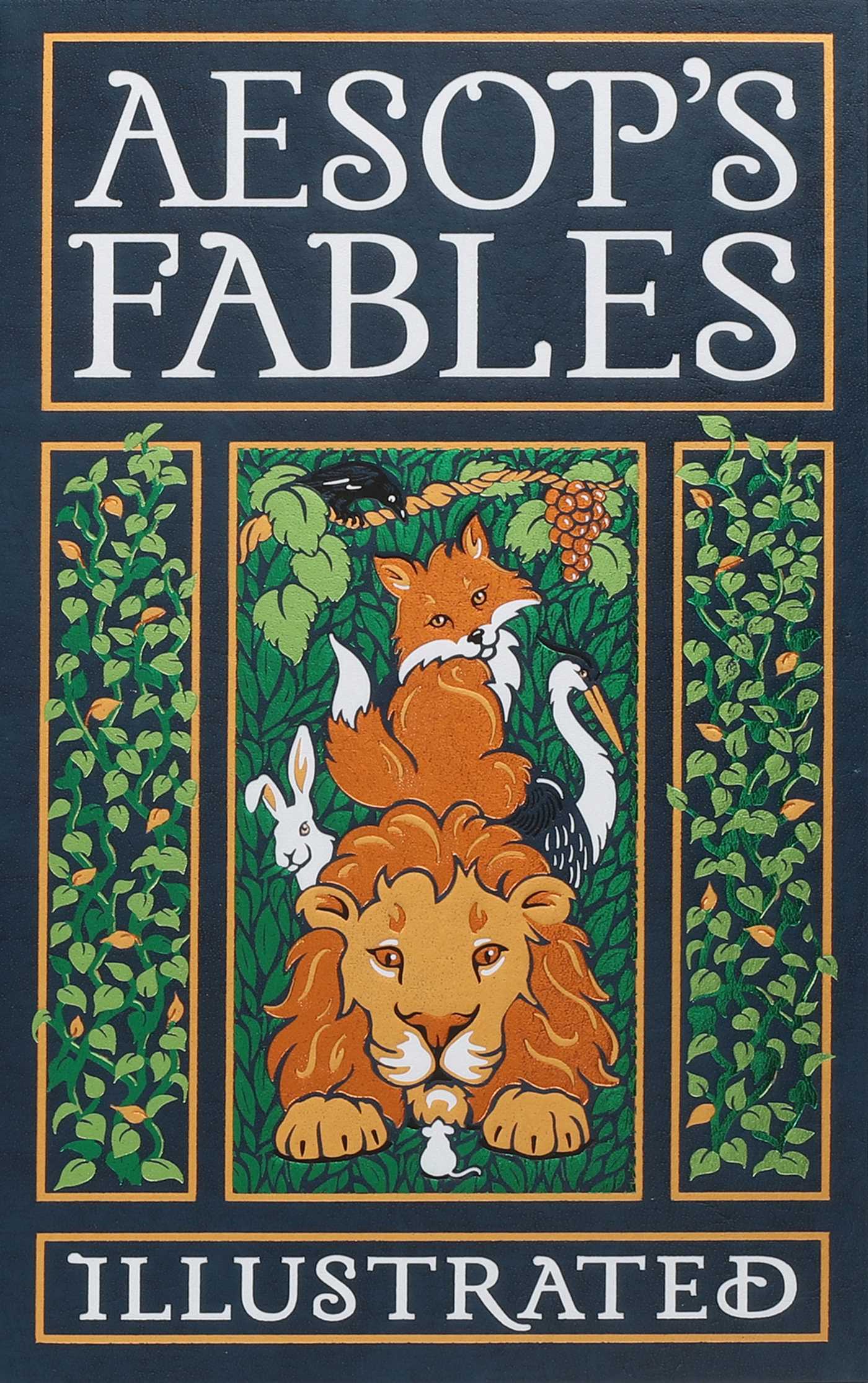
Aesop
FreeAesop's prose is characterized by direct, illustrative narratives, often featuring anthropomorphic animals, designed to convey clear moral lessons.
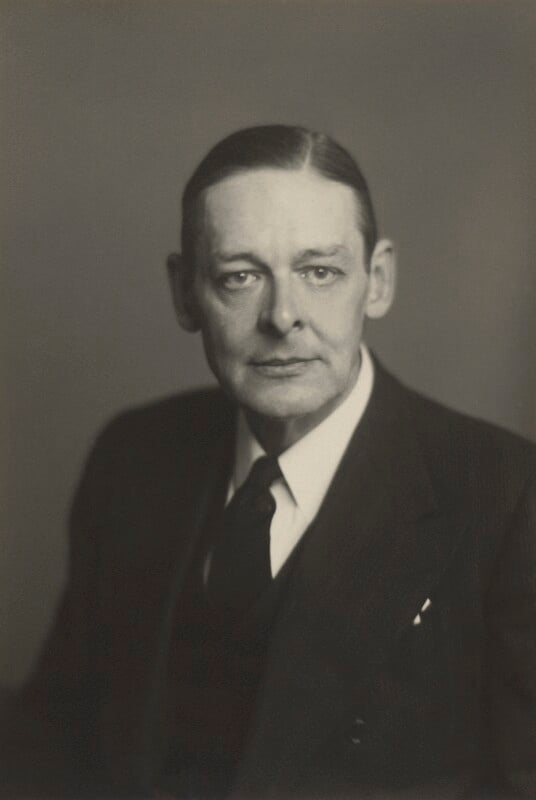
Eliot, T. S.
ArtistT. S. Eliot transformed 20th-century poetry with "The Waste Land" and "The Love Song of J. Alfred Prufrock," works that shattered conventional form and reassembled fragments of myth, history, and multiple languages into a new kind of verse. A Nobel laureate and influential critic, Eliot championed the "impersonal theory of poetry" — art as an escape from emotion, not an indulgence of it. His allusive, erudite style and his vision of cultural decay defined literary modernism.
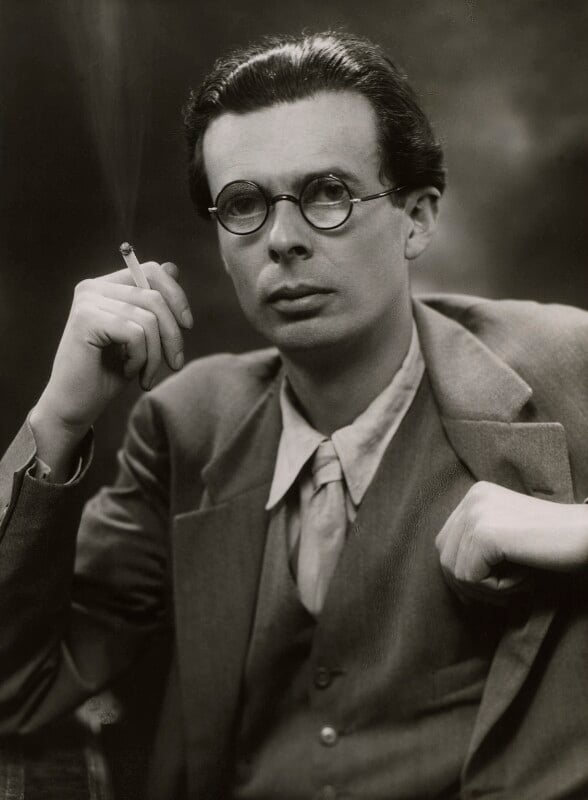
Huxley, Aldous
ArtistAldous Huxley was a polymath novelist and essayist whose "Brave New World" remains one of the most prescient dystopian visions ever written. His intellectual range — spanning science, philosophy, mysticism, and art — infused his fiction with a satirical brilliance and prophetic clarity. From the social comedies of "Chrome Yellow" and "Point Counter Point" to the mystical explorations of "The Doors of Perception," Huxley charted the tension between technological progress and human meaning.
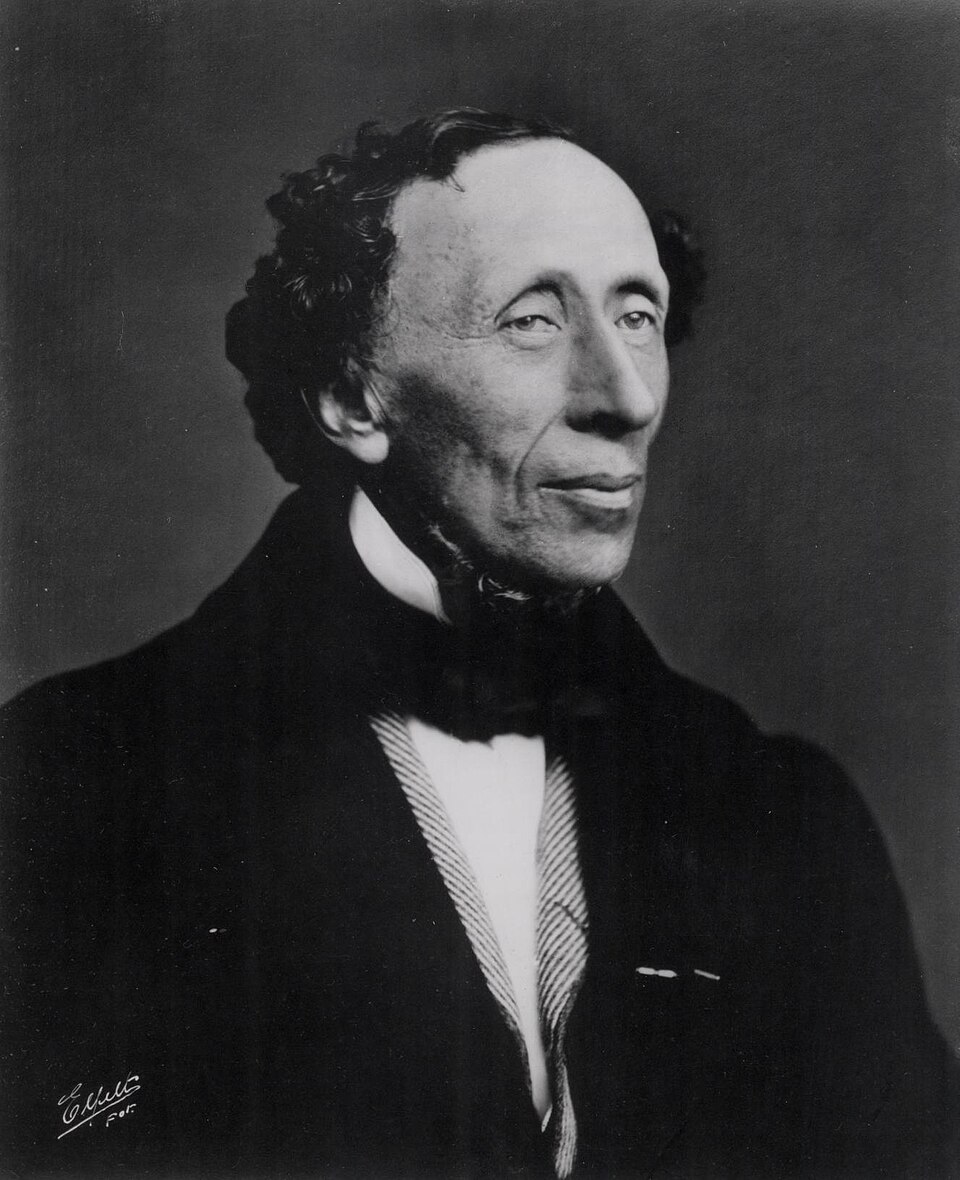
Lawrence, D. H.
ArtistD. H. Lawrence was a visionary novelist, poet, and essayist whose work explored the dehumanizing effects of modernity and industrialization, championing instead the primacy of instinct, physical intimacy, and the natural world. "Sons and Lovers," "The Rainbow," "Women in Love," and the controversial "Lady Chatterley's Lover" pushed the boundaries of what literature could express about human desire and consciousness. His prose pulses with a vitalist energy that remains unmatched.
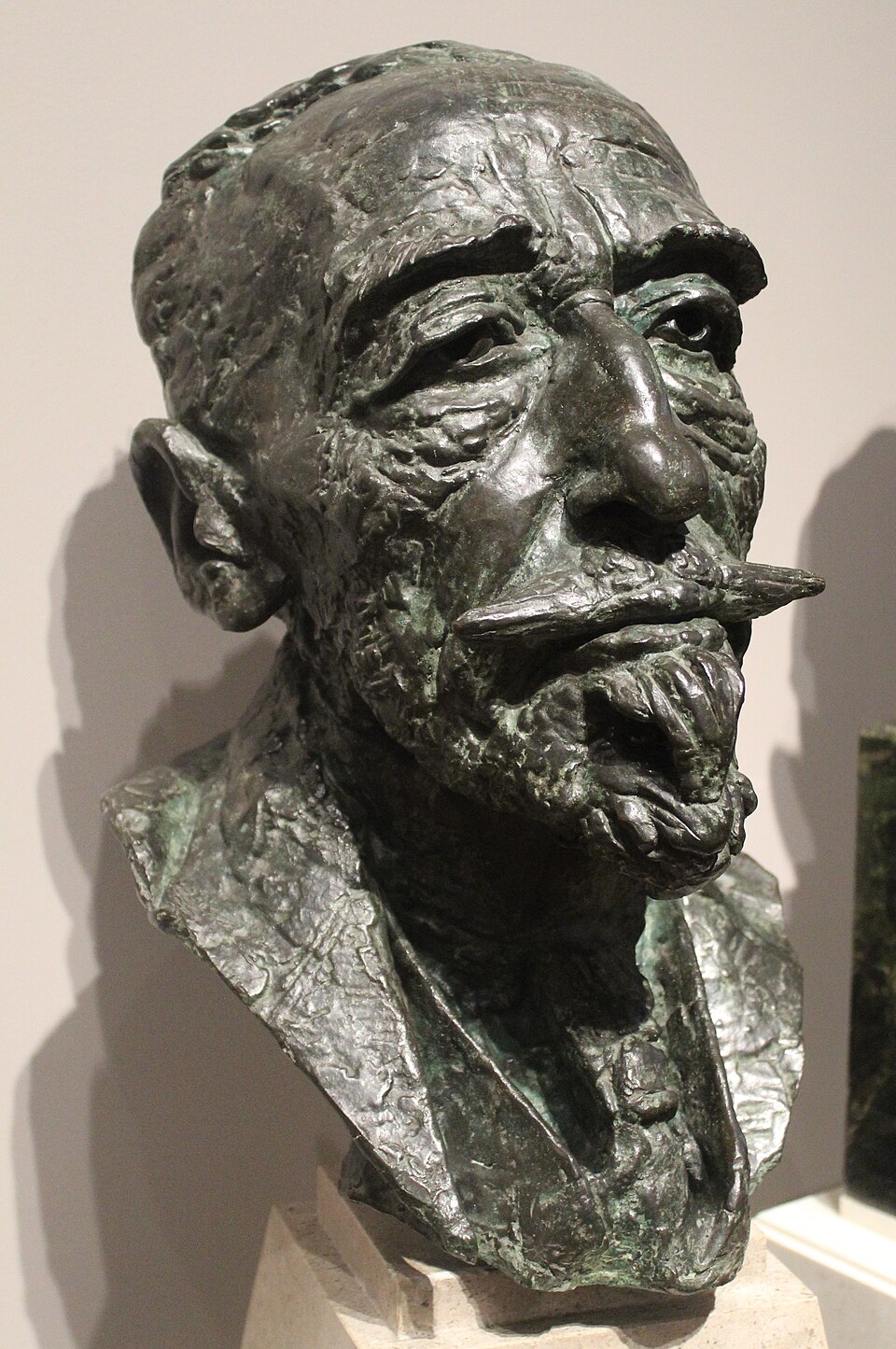
Conrad, Joseph
ArtistJoseph Conrad, born Józef Teodor Konrad Korzeniowski in Poland, became one of the greatest novelists in the English language — his third language. His works explore the darkness of the human condition, moral ambiguity in colonial settings, and the psychological depths of isolation. "Heart of Darkness," "Lord Jim," and "Nostromo" established him as a master of atmospheric prose, nested narration, and the unreliable narrator. His influence stretches from modernism to postcolonial literature.
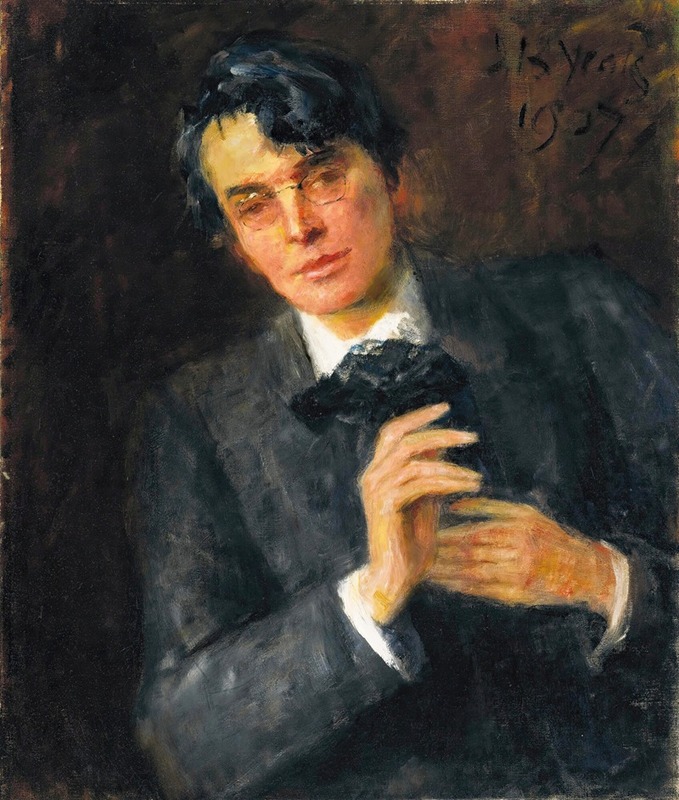
Yeats, W. B.
ArtistWilliam Butler Yeats, Ireland's foremost poet and a Nobel laureate, wove together Celtic mythology, occult symbolism, and modernist innovation into verse of extraordinary power. From the dreamy romanticism of his early "Lake Isle of Innisfree" to the fierce, apocalyptic vision of "The Second Coming," Yeats's evolution mirrors the turbulence of the 20th century itself. His mastery of symbol, his ear for incantatory rhythm, and his ability to fuse the personal with the mythic make him one of the greatest poets in the English language.
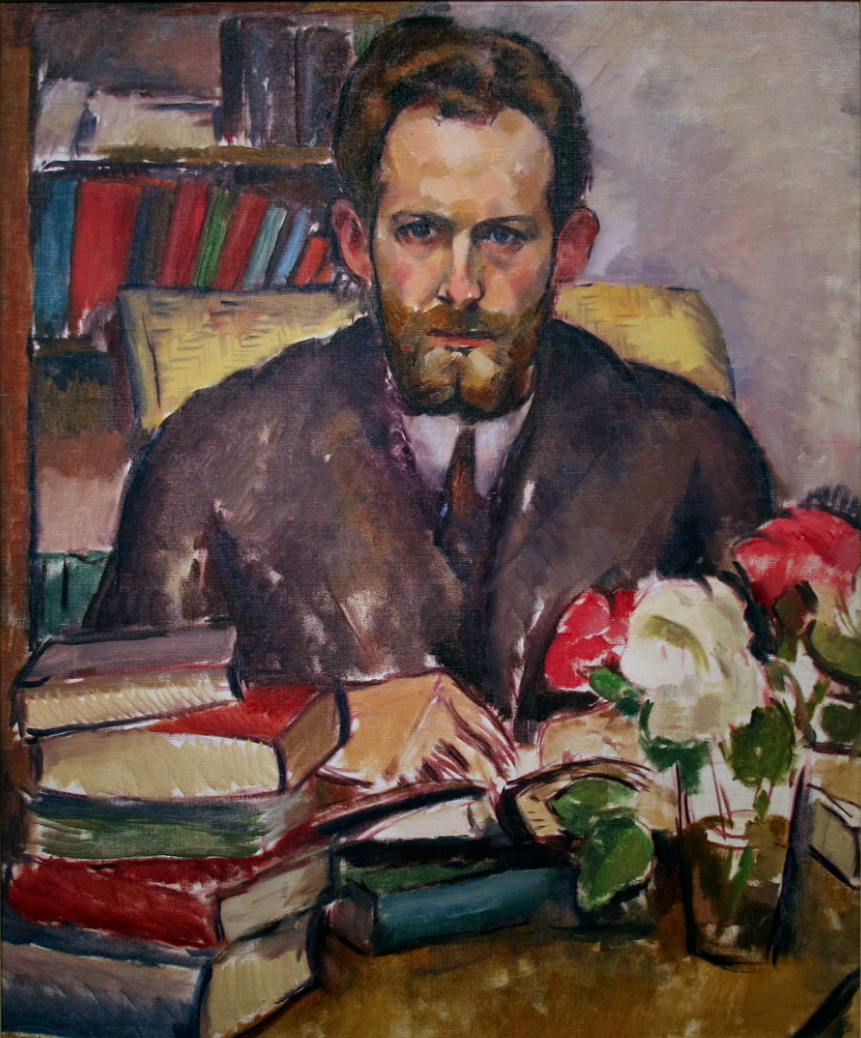
Cather, Willa
FreeWilla Cather chronicled the American frontier with a luminous, painterly prose that elevated the lives of immigrants and pioneers into literature of enduring beauty. "My Ántonia," "O Pioneers!," and "The Professor's House" reveal her gift for evoking landscape as a spiritual force and her belief that the novel should be "unfurnished" — stripped of everything that does not contribute to the central emotional design. Her spare elegance and deep sympathy for ordinary lives remain profoundly moving.
Dos Passos, John
FreeJohn Dos Passos invented the literary equivalent of cinema montage with his U.S.A. trilogy, weaving together fictional narratives, "Newsreel" collages of headlines and song lyrics, "Camera Eye" stream-of-consciousness passages, and biographical portraits of real Americans. "Manhattan Transfer" and "Three Soldiers" established his panoramic ambition. His techniques of collage, simultaneity, and documentary fiction influenced generations of writers and filmmakers seeking to capture the cacophony of modern life.
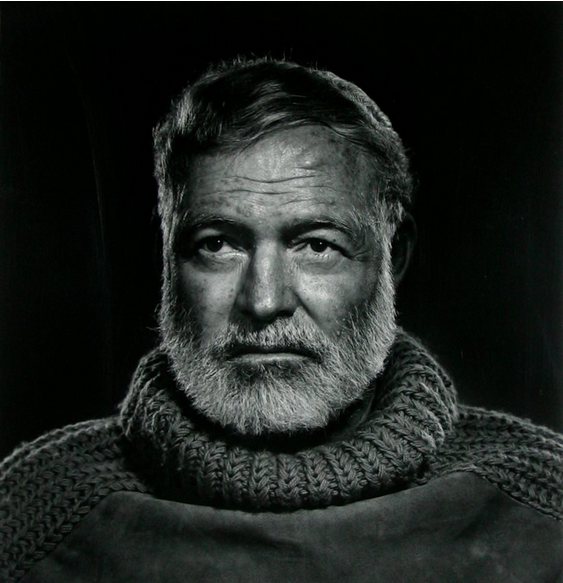
Hemingway, Ernest
ArtistErnest Hemingway revolutionized modern prose with his "iceberg theory" — the principle that the deeper meaning of a story should not be evident on the surface but should shine through implicitly. His spare, declarative sentences, stripped of ornamentation, created a new standard for English-language fiction. A Nobel laureate whose works like "A Farewell to Arms" and "The Sun Also Rises" defined the Lost Generation, Hemingway proved that what is left unsaid can be more powerful than what is written.
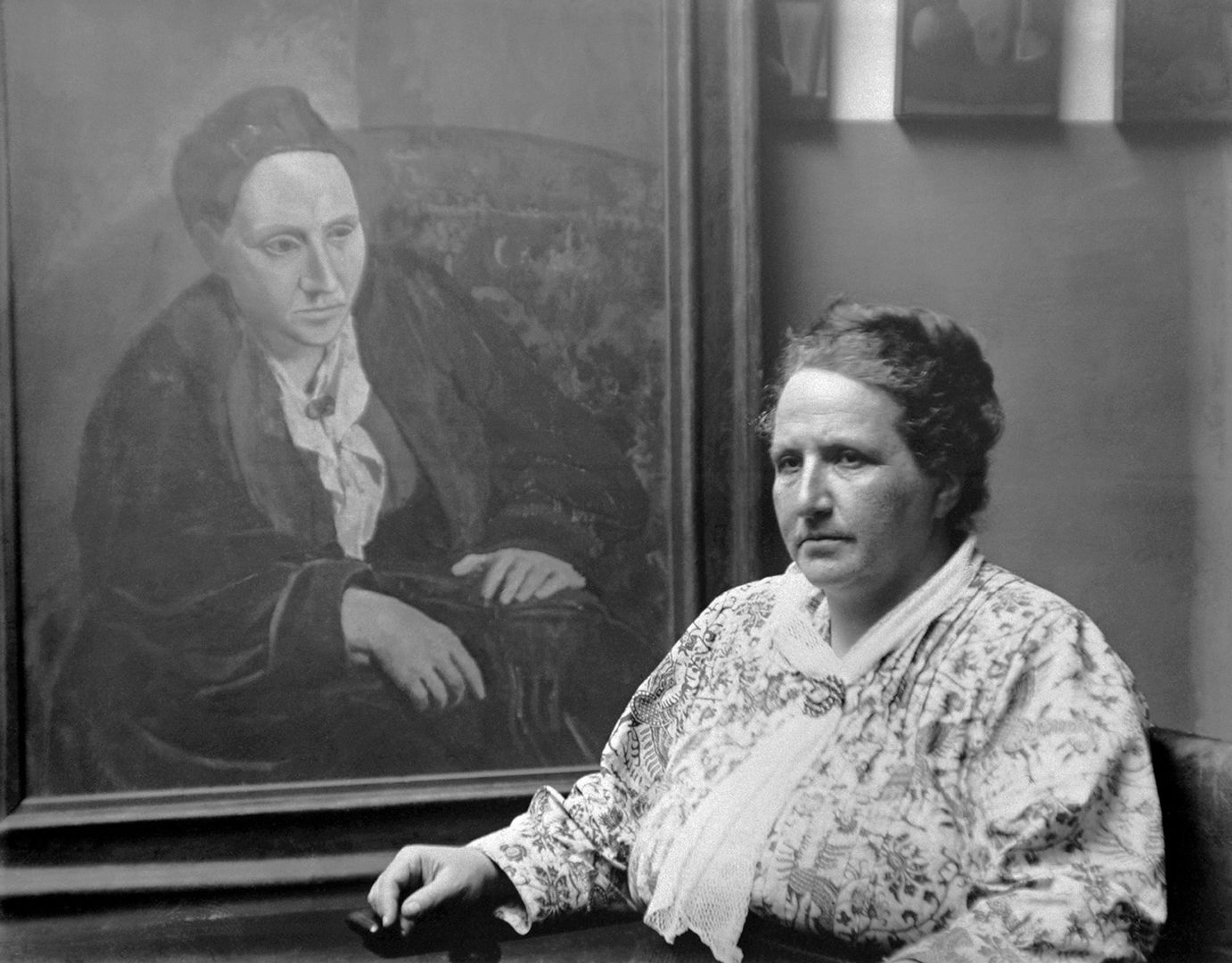
Stein, Gertrude
FreeGertrude Stein was the radical experimentalist of modernist prose, a literary Cubist who shattered conventional syntax to reveal the rhythms of consciousness itself. Her salon at 27 rue de Fleurus in Paris was the crucible of modernism, nurturing Picasso, Matisse, Hemingway, and Fitzgerald. Works like "Three Lives," "Tender Buttons," and "The Autobiography of Alice B. Toklas" redefined what language could do — turning words into objects, repetition into music, and grammar into sculpture.
Faulkner, William
ArtistWilliam Faulkner created an entire universe in his fictional Yoknapatawpha County, Mississippi — a cosmos of racial guilt, decaying aristocracy, and the weight of history on the present. His Nobel Prize-winning body of work, including "The Sound and the Fury," "As I Lay Dying," and "Absalom, Absalom!," pushed the novel's formal boundaries with stream of consciousness, multiple narrators, and labyrinthine sentences that mirror the complexity of memory itself. Faulkner proved that the provincial can be universal.
Vibrant Spontaneous Forms
FreeYour art is a celebration of uninhibited expression, where intuitive marks and vibrant hues dance across the canvas with playful energy. You create worlds of joyous spontaneity, inviting viewers to embrace the freedom of your distinctive hand.
Pure Chromatic Presence
FreeYour artistic voice speaks in a language of pure chromatic presence, where a single hue can command an entire visual field, inviting profound contemplation.
More skills are continuously distilled from the archive as the community contributes. The aesthetic wisdom of human civilization is ever-growing.
"We believe the aesthetic wisdom distilled from human civilization should inspire humans to create even greater works — and help AI learn what beauty truly means."
— The InspiredHub Mission
Before you begin — a word from us.
Everything you create here is yours. We will never read it, sell it, or use it without your knowledge.
But we want to be honest about something: we believe that when humans record what moves them — the paintings they return to, the sentences they write at 2am, the things they find beautiful — they are leaving behind something that matters. Not just for themselves, but for the future.
If you ever want to be part of that — to let your aesthetic journey contribute to a larger record of what humans found worth keeping — there will be a quiet option to do so. It will always be your choice, and you can change your mind at any time.
— The InspiredHub Team